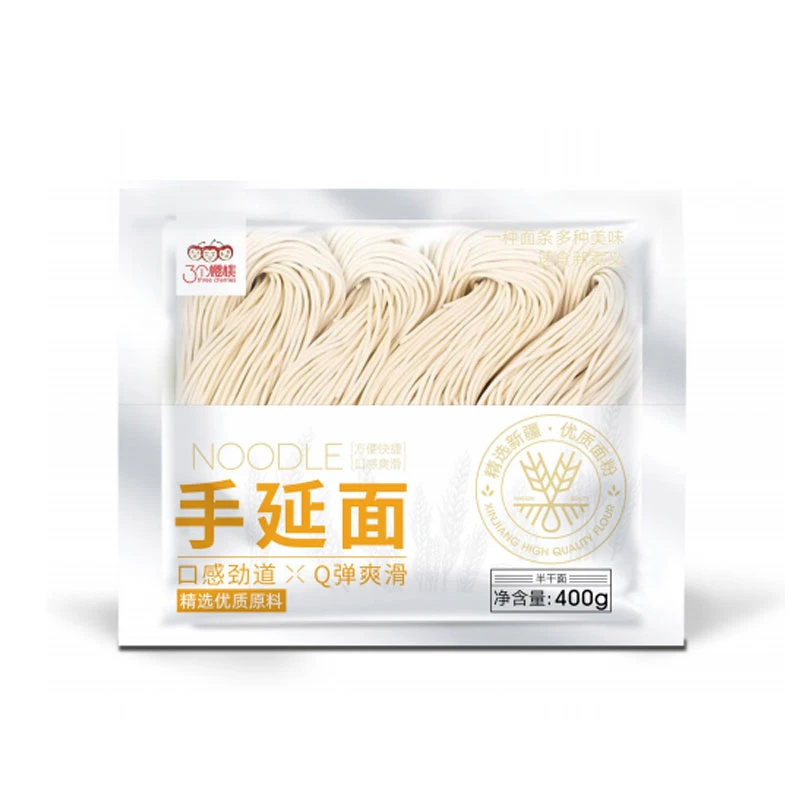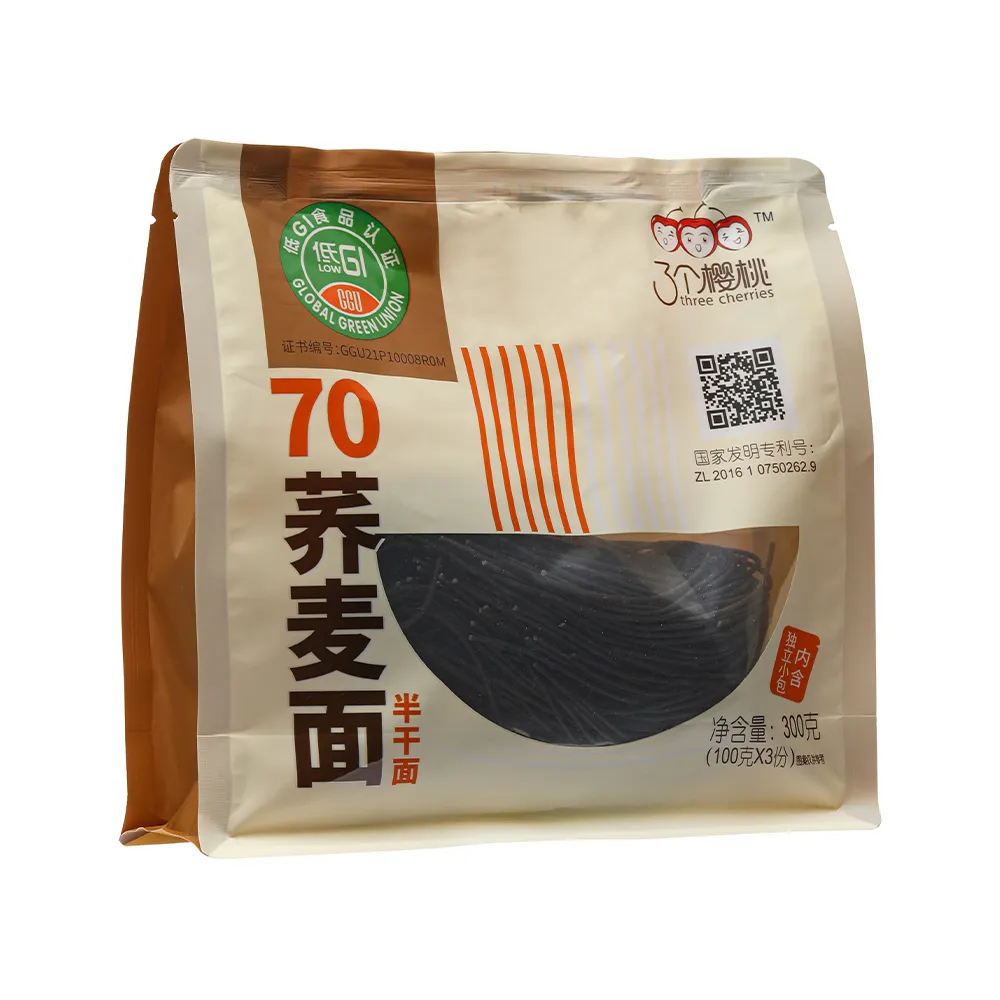

Discover the Benefits of Noodles Made with Konjac – Healthy & Sustainable Alternative
Noodles Made with Konjac: A Global Trend in Healthy, Sustainable Foods
Have you ever stumbled upon noodles made with konjac and wondered what makes them tick? They’re not just another health fad — these noodles are steadily carving out a niche worldwide as a low-calorie, versatile, and eco-friendly alternative to traditional pasta. In a world increasingly obsessed with sustainability and mindful eating, understanding konjac noodles provides real insight into how food tech and ancient plant wisdom combine to meet modern dietary demands.
Why the Buzz About Noodles Made with Konjac?
Globally, diets are evolving at a dizzying pace. According to the United Nations Food and Agriculture Organization (FAO), over 2 billion people struggle with diet-related health issues, including obesity and diabetes, partly attributed to high-calorie, processed foods.1 Enter konjac noodles — a low-carb, high-fiber alternative that addresses some of these health challenges while also aligning with global pushes for sustainable agriculture and reduced environmental footprints.
The World Bank highlights that food systems need innovation to adapt to climate change and population growth,2 and konjac noodles, derived from a resilient tuber plant, offer one such route. The challenge they're solving is simple: how to create filling, accessible, and sustainable food options that keep both people and the planet healthier.
What Exactly Are Noodles Made with Konjac?
In simple terms: konjac noodles are strands of pasta crafted from the flour of the konjac plant’s corm—the swollen underground stem. The plant, native to parts of Asia, is rich in glucomannan, a dietary fiber known for its impressive water absorption and minimal caloric content. This natural fiber turns into a gel-like substance when mixed with water, which gives konjac noodles their unique, translucent, and gelatinous texture.
Beyond texture, they pack health benefits, like supporting digestion and aiding blood sugar regulation. That’s why they’ve become popular not just in Japan or China but in health-conscious markets worldwide, including Europe and North America, fitting into gluten-free, vegan, and keto diets alike.
Key Features of Noodles Made with Konjac
1. Low-Calorie & High Fiber Content
One of the standout features is their almost negligible calorie count—about 10–20 calories per serving, compared to 200–220 calories for traditional wheat noodles. This derives from glucomannan fiber, which isn’t digested but helps create a feeling of fullness.
2. Gluten-Free & Allergy-Friendly
For those with gluten sensitivities or celiac disease, konjac noodles are a godsend. They’re naturally free from gluten and soy, making them safe and appealing to a broad consumer base.
3. Versatile Cooking Use
Despite their slightly slippery texture, they adapt surprisingly well in stir-fries, soups, and even cold dishes. It takes a little practice not to overcook or under-season them, but once you get the hang of it, they’re great at soaking up flavors.
4. Long Shelf Life & Easy Storage
Typically sold in water-packed tubs or as dried blocks, konjac noodles have a shelf life extending several months. They don't require refrigeration before opening—perfect for bulk storage or emergency kits.
5. Sustainable Crop Source
The konjac plant’s resilience to poor soil conditions reduces the need for heavy irrigation or fertilizers, making it an environmentally friendly crop. According to ISO food standards, sourcing ingredients that minimize environmental impact is becoming a priority for manufacturers.3
Technical Specifications for a Popular Konjac Noodle Product
| Specification | Details |
|---|---|
| Main Ingredient | Konjac (Amorphophallus konjac) glucomannan flour |
| Calorie Content (per 100g) | 10-20 kcal |
| Cooking Time | 2–3 minutes (quick rinse & boil) |
| Shelf Life | 6–12 months unopened |
| Gluten-Free | Yes |
| Allergy Info | Soy- & wheat-free |
How Are Noodles Made with Konjac Used Around the World?
Don’t be fooled into thinking konjac noodles are niche or “just another Asian import.” While developed and popularized in East Asia, konjac noodles find real traction globally. In North America, low-carb and keto diet enthusiasts swear by them. In Europe, health food stores are increasingly stocking them as part of plant-based and gluten-intolerant options.
More interestingly, humanitarian aid groups have explored konjac noodles for emergency food kits in disaster zones. Their long shelf-life and minimal rehydration needs make them ideal where refrigeration or cooking fuel is scarce. For example, in earthquake-prone regions in Southeast Asia, NGOs have included konjac noodles in relief packages to provide quick, filling sustenance.
Additionally, food service providers in hospitals and wellness centers appreciate konjac noodles for catering to diabetic patients, since the glucomannan fiber helps modulate blood sugar spikes.
Vendor Comparison: Leading Konjac Noodle Suppliers
| Supplier | Product Range | Organic Certified | Export Regions | Minimum Order Quantity (MOQ) |
|---|---|---|---|---|
| JXS SemiDry Noodles | Konjac shirataki, dried konjac noodles | Yes | Worldwide (incl. EU, NA) | 500kg |
| Konjac Foods Co. | Fresh konjac noodles, konjac tofu | No | Asia, Australia | 200kg |
| GreenRoot Naturals | Organic dried konjac noodles | Yes | Europe, USA | 1000kg |
Why Choose Noodles Made with Konjac? The Benefits
- Health Impact: Their high fiber content supports gut health, weight management, and blood sugar control.
- Sustainability: Konjac cultivation requires less water and fertilization than wheat or rice.
- Adaptability: Perfect for gluten-free, vegan, low-carb, and specialty diets.
- Convenience: Long shelf life plus quick cooking fit modern fast-paced lifestyles.
- Social Impact: Affordable alternative nutrition in disaster or food-insecure zones.
Trends Shaping the Future of Konjac Noodles
The future looks promising. Innovative product formats like konjac-infused pasta blends, ready-to-eat meals, and snack bars are on the rise. Digital farming technologies help producers optimize yield with minimal environmental strain. Meanwhile, policies supporting sustainable farming and health-conscious foods (think ISO nutrition labeling advancements) boost market confidence.
At the edge of the innovation curve, biopolymer innovations could leverage konjac glucomannan as a biodegradable food packaging component, making your favorite noodles even greener.
Common Challenges and Clever Solutions
Of course, not everything’s rosy. Many people find the konjac noodle texture unfamiliar or off-putting at first — it can be “too slippery” or bland if not properly prepared. This typically means rinsing and briefly boiling to remove excess odor.
Supply chain consistency is another hurdle, as konjac is mostly grown in limited Asian regions. Blending konjac with other fibers and sourcing from organic-certified farms helps tackle this.
FAQ: Your Top Questions About Noodles Made with Konjac
- What health benefits do konjac noodles provide?
- Konjac noodles are rich in glucomannan fiber, which promotes fullness, aids digestion, and helps regulate blood sugar levels — ideal for weight management and diabetic diets.
- How do I cook konjac noodles properly?
- Rinse them well under cold water to remove any odor, then boil or stir-fry for 2–3 minutes. This reduces sliminess and improves texture.
- Are konjac noodles suitable for gluten-free diets?
- Yes, konjac noodles are naturally gluten-free, so they’re a great choice for people with gluten allergies or celiac disease.
- Can konjac noodles be used in emergency food supplies?
- Absolutely. Their long shelf life and easy preparation make them suitable for humanitarian aid and disaster relief diets.
- Where can I buy noodles made with konjac in bulk?
- Suppliers like JXS SemiDry Noodles offer bulk and organic-certified konjac noodles suitable for wholesale needs worldwide.
Wrapping It Up: Why Noodles Made with Konjac Matter Long-Term
Noodles made with konjac illustrate a simple yet powerful intersection of health, sustainability, and global food innovation. They tick boxes for people seeking wellness foods while contributing to the planet’s growing demand for low-impact agriculture. Whether you’re a health buff, a manufacturer, or working on food security solutions, konjac noodles bring real, tangible benefits to the table.
Curious to dive deeper or source this versatile ingredient? You’re invited to explore noodles made with konjac and discover how they might just change the way you think about noodles forever.
References:
1. FAO State of Food and Nutrition
2. World Bank: Agriculture Overview
3. ISO Food Packaging Standards
-
Discover the Authentic Taste of Korean Buckwheat NoodlesNewsApr.16,2026
-
Discover the Refreshing Taste of Authentic Korean Cold SobaNewsApr.09,2026
-
Discover the Refreshing Taste of Korean Cold Buckwheat Noodles NaengmyeonNewsApr.07,2026
-
Discover the Cool and Refreshing World of Korean Buckwheat Noodles ColdNewsApr.04,2026
-
Discover the Refreshing Taste of Japanese Cold Buckwheat Noodles and Zaru SobaNewsMar.31,2026
-
Exploring the Delicious World of Chinese Style Cold NoodlesNewsMar.28,2026
-
Discover the Cool and Refreshing World of Korean Cold Soba NoodlesNewsMar.26,2026
Browse qua the following product new the we