
Discover the Benefits of Low Carb Soba Noodles | Healthy & Sustainable
Understanding Low Carb Soba Noodles: A Global Perspective
Low carb soba noodles have been gaining attention worldwide, and honestly, it's no surprise when you look at today’s health trends. As various populations seek healthier, low-carb alternatives to traditional wheat-based products, soba noodles crafted with reduced carbohydrates fit perfectly into this evolving niche. Globally, with rising concerns about lifestyle diseases — think diabetes and obesity — shifting toward low carbohydrate food options isn’t just a fad but an essential trend.
Moreover, soba noodles carry a legacy of traditional Japanese cuisine, but their modern low carb variants tap into global markets hungry for nutritious, convenient, and culturally diverse staples. According to the World Health Organization, lifestyle-related illnesses cost billions annually in healthcare, making the adoption of low carb diets increasingly relevant worldwide.
Mini Takeaway: Low carb soba noodles are more than a healthy choice—they are becoming a global dietary solution bridging tradition with modern nutrition needs.
Defining Low Carb Soba Noodles
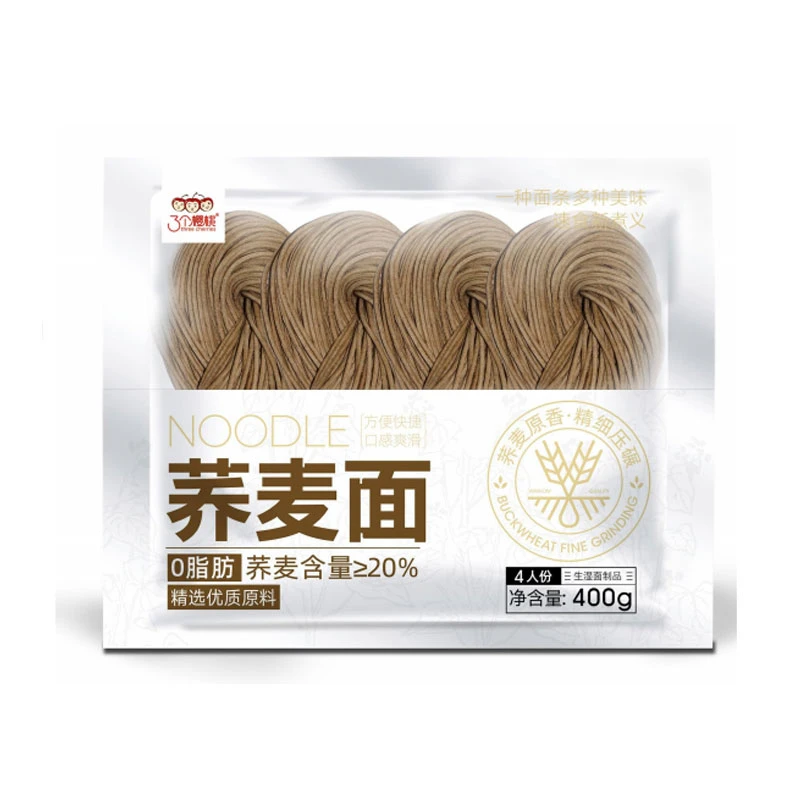
Simply put, traditional soba noodles are made primarily from buckwheat flour, which naturally contains fewer carbs than wheat. However, “low carb soba noodles” specifically refer to products where the carbohydrate content has been deliberately reduced further through ingredient adjustments—like mixing in konjac or shirataki fibers—or by using alternative flours.
These noodles offer a familiar taste and texture but meet the growing consumer demand for lower glycemic index foods that help regulate blood sugar and improve overall wellness.
From an industrial standpoint, the production of low carb soba noodles reflects an innovation in food technology aimed at responding to climate change challenges, sustainability, and health-conscious markets. They're part of a broader movement that combines traditional food culture with modern nutritional science, addressing health crises on a large scale.
Core Components That Define Quality Low Carb Soba Noodles
1. Ingredients and Carb Content
The primary difference lies in substituting or augmenting buckwheat with low-carb fibers like glucomannan from the konjac plant, which expands in the stomach and reduces calorie intake. The final product typically contains 50%-70% fewer carbohydrates than conventional soba.
2. Texture and Taste Balance
You’d expect soba noodles to have that delicate chewiness and nutty flavor. Manufacturers often struggle balancing the lower carbs without making them mushy or too firm. The best versions keep the authentic mouthfeel while offering health perks.
3. Shelf Life and Packaging
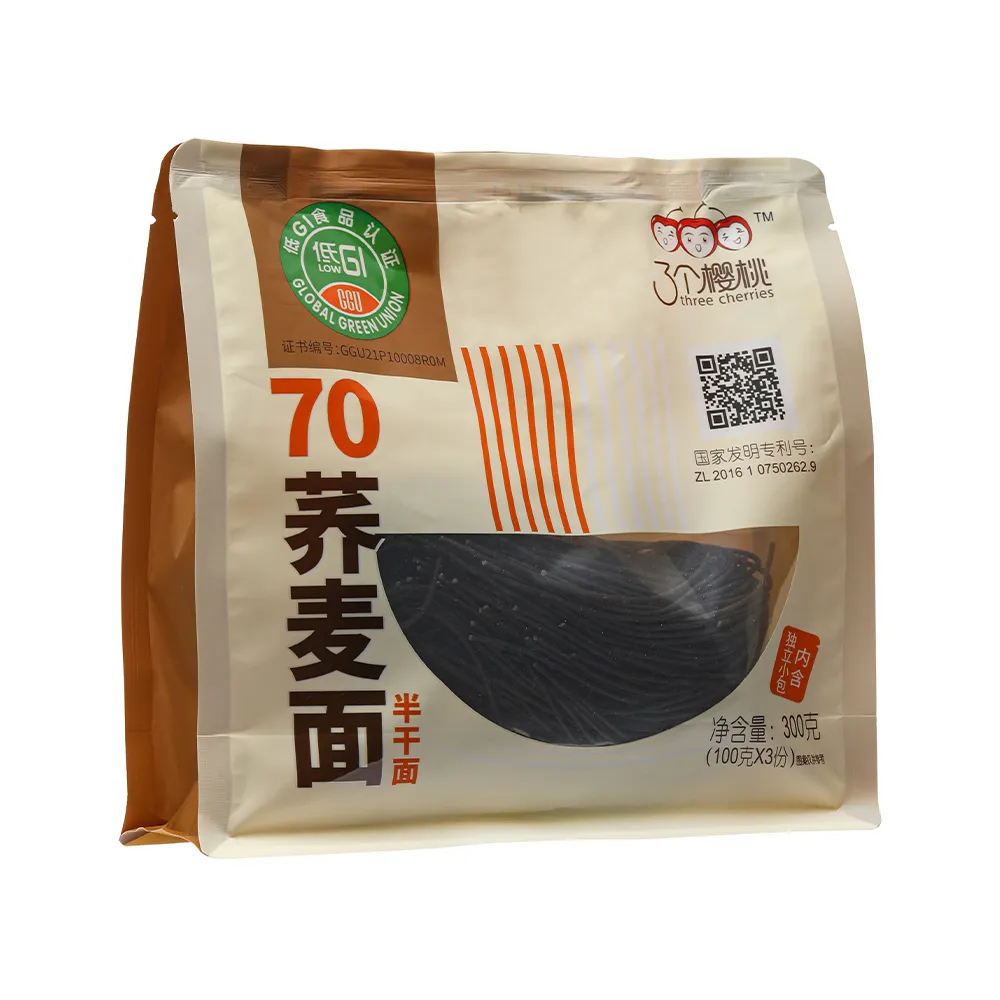
Because of their fiber content and slight moisture differences, low carb soba noodles often come vacuum-sealed or frozen to extend freshness. It’s a technical dance between keeping quality and convenience intact.
4. Production Scalability
With increasing demand, producers are expanding capacity yet must keep consistent carb reduction, taste, and texture standards — a tricky feat that involves precise recipe control and quality testing.
5. Certification and Nutrition Transparency
Labels often carry certifications like gluten-free, non-GMO, or organic, appealing to a broad audience. Nutrition facts must clearly reflect lower carbohydrate values, which is crucial for diabetic or keto consumers.
Mini Takeaway: Quality low carb soba noodles combine ingredient innovation with texture mastery and trust-worthy nutrition labeling to satisfy health-minded consumers.
Global Applications and Real-World Use Cases
It’s fascinating how low carb soba noodles are making waves from Japan to the U.S., Europe, and beyond. In health-conscious communities, these noodles serve as staples for low-carb diets such as keto or paleo. Hospitals and care facilities integrate them for patient meal plans that need controlled blood sugar levels.
On a humanitarian front, organizations involved in disaster relief or remote area food supplies have started considering nutrient-dense, easy-to-prepare products like low carb soba noodles. They’re lightweight, have decent shelf lives (with proper packaging), and offer a comforting, familiar meal.
Industrially, restaurants and meal kit companies are embedding these noodles in their offerings, promoting healthier, sustainable dining options across continents. Asian and fusion cuisine enthusiasts especially drive demand — pairing soba with global flavors.
Example: In post-disaster relief operations in Southeast Asia, NGOs have included specially packed low carb noodles as part of their nutrition kits to aid diabetic patients, who otherwise struggle with standard rations.
Advantages and Long-Term Value of Low Carb Soba Noodles
- Health Benefits: Low carb soba noodles contribute to better blood sugar control, weight management, and promote digestive health thanks to their fiber content.
- Environmental Impact: Buckwheat is a hardy, eco-friendly crop requiring less water and pesticide use, making the noodles sustainable.
- Cultural Connection: They offer a bridge between traditional culinary heritage and modern nutrition ideals, maintaining ethnic identity while adapting to global markets.
- Convenience: With proper packaging and quick cooking times, they meet the needs of busy consumers.
From a social perspective, buying these noodles supports farmers growing buckwheat sustainably and food manufacturers investing in health-forward innovations. Plus, it just feels good to enjoy a noodle bowl that’s both tasty and aligned with wellness goals.
Low Carb Soba Noodles: Product Specification Table
| Specification | Typical Value | Notes |
|---|---|---|
| Carbohydrate Content | 8-12 g/100g | Significantly lower than traditional soba (24-28 g) |
| Protein | 6 - 8 g/100g | Mainly from buckwheat |
| Dietary Fiber | 10-15 g/100g | Often includes glucomannan |
| Cooking Time | 2-3 minutes | Faster than wheat noodles |
| Shelf Life | 6-12 months (vacuum sealed) | Keep refrigerated or frozen for best quality |
Vendor Comparison: Low Carb Soba Noodles
| Vendor | Carb Content (g/100g) | Price Range ($) | Organic Certification | Gluten-Free Option | Packaging Types |
|---|---|---|---|---|---|
| NoodleCo | 10 | $5-7 / pack | Yes | No | Vacuum sealed, frozen |
| SobaLite | 8 | $6-8 / pack | No | Yes | Vacuum sealed |
| EcoNoodles | 12 | $4-6 / pack | Yes | No | Plastic-free packaging |
Emerging Trends and Innovations in Low Carb Soba Noodle Production
One of the things I keep hearing from food scientists is the rise of plant-based fibers as carbohydrate substitutes beyond konjac—like oat bran, chicory root inulin, and even beet fiber—to improve nutrition and taste simultaneously. Also, digital transformation in manufacturing has allowed better consistency in mixing and drying, which preserves texture.
On the sustainability front, some companies experiment with regenerative buckwheat farming, optimizing land use and reducing water consumption, matching well with environmental targets set by organizations like the ISO.
Automation in packaging and smart labelling to help consumers track allergens and nutrition via QR codes also feels like the way of the near future.
Challenges & Solutions in the Low Carb Soba Noodle Market
Despite all the progress, there are hurdles. The biggest one? Maintaining authentic taste while lowering carbs. Often, reducing carbs too much can lead to a bland or rubbery product. Some producers address this by carefully blending flours and adding natural flavor enhancers.
Supply chain issues for specialty flours can also drive prices up unpredictably, making mass adoption a bit slower. But diversifying ingredients and expanding buckwheat cultivation areas globally might smooth this out.
Finally, consumer education is key. People often mistake “low carb” for “tasteless” or “diet food,” so smart marketing and recipe ideas that highlight enjoyment help overcome this stigma.
Frequently Asked Questions About Low Carb Soba Noodles
- Q: Are low carb soba noodles suitable for diabetics?
- A: Absolutely. Low carb soba noodles have less starch and a lower glycemic index than regular wheat noodles, making them a better option for managing blood sugar levels.
- Q: How do low carb soba noodles compare taste-wise to traditional soba?
- While they maintain the nutty essence of buckwheat, low carb variants can be slightly firmer or chewier due to added fibers. Many consumers find them just as satisfying.
- Q: Can I use low carb soba noodles in hot soups or cold dishes?
- Yes! They are versatile and cook quickly in boiling water. Just handle with care as they can become mushy if overcooked.
- Q: Are these noodles gluten-free?
- Pure buckwheat soba is naturally gluten-free, but some low carb blends may include wheat or additives. Check labels carefully if gluten sensitivity is a concern.
- Q: Where can I buy authentic low carb soba noodles?
- You can find them in health food stores, online specialty shops, and increasingly in supermarkets. For a trusted source, check out low carb soba noodles.
Conclusion: Why Low Carb Soba Noodles Matter Now and Tomorrow
In a world facing mounting health challenges and environmental concerns, low carb soba noodles offer a bridge between good taste, tradition, and modern nutrition science. They’re part of a subtle but powerful shift toward more mindful eating, sustainability, and cultural preservation — all rolled into one humble noodle bowl.
Fancy trying them yourself? Visit our website:
https://www.jxsemidrynoodles.com to explore the range and join the growing movement toward healthier, tastier noodles!
Sometimes it’s the simplest foods — just buckwheat and water, really — that end up making the biggest difference.
References:
-
Discover the Authentic Taste of Korean Buckwheat NoodlesNewsApr.16,2026
-
Discover the Refreshing Taste of Authentic Korean Cold SobaNewsApr.09,2026
-
Discover the Refreshing Taste of Korean Cold Buckwheat Noodles NaengmyeonNewsApr.07,2026
-
Discover the Cool and Refreshing World of Korean Buckwheat Noodles ColdNewsApr.04,2026
-
Discover the Refreshing Taste of Japanese Cold Buckwheat Noodles and Zaru SobaNewsMar.31,2026
-
Exploring the Delicious World of Chinese Style Cold NoodlesNewsMar.28,2026
-
Discover the Cool and Refreshing World of Korean Cold Soba NoodlesNewsMar.26,2026
Browse qua the following product new the we