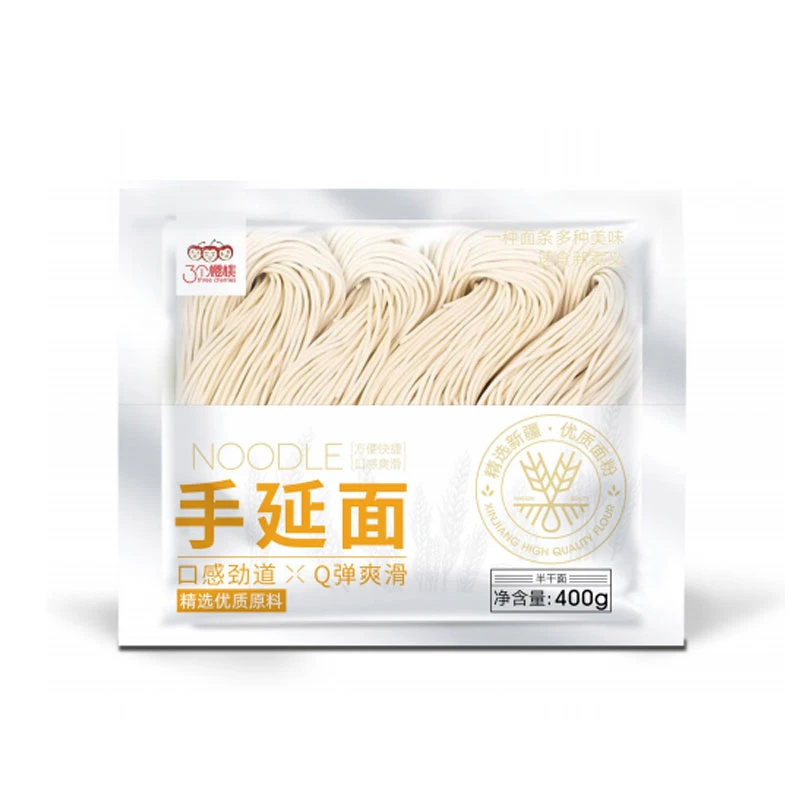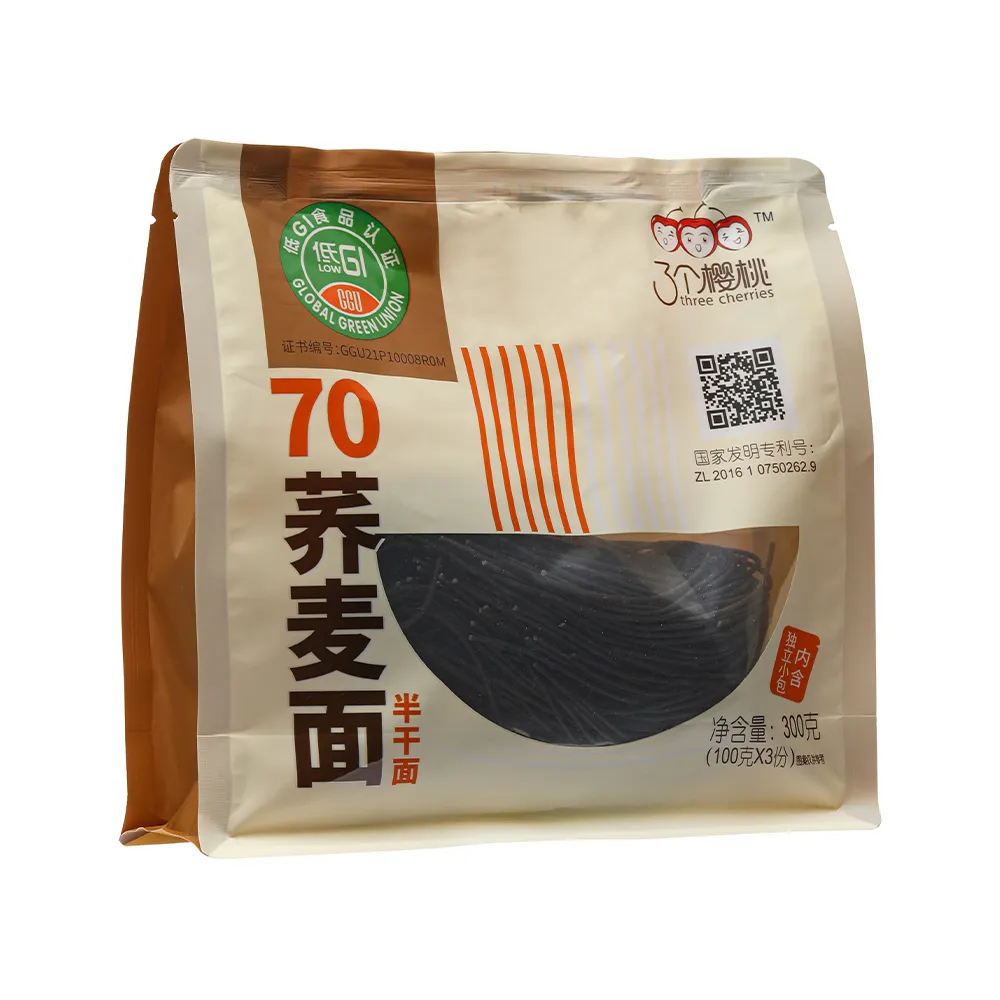

Buckwheat Flour Soba: Nutritional Powerhouse & Sustainable Tradition
Understanding Buckwheat Flour Soba: A Global Staple with Growing Significance
When talking about buckwheat flour soba, we’re really diving into much more than just a noodle variety. This traditional Japanese noodle, made primarily from buckwheat flour, is seeing renewed global interest—not only as a culinary delight but also for its resilience, nutritional value, and cultural significance. Globally, as diets grow increasingly health-conscious and environmental challenges demand adaptive crops, buckwheat soba emerges as a fascinating case study. It combines heritage with modern-day benefits, and understanding it better can open doors to applications in nutrition, sustainable agriculture, and even humanitarian efforts.
Why Buckwheat Flour Soba Matters Worldwide
Globally, buckwheat is a crop of real interest. According to the Food and Agriculture Organization (FAO), buckwheat production exceeds 2 million tons annually, with China, Russia, and Japan leading the pack. Why is this relevant? Buckwheat flour soba noodles tap into a growing market driven by health trends—gluten-free diets, high-protein foods, and traceable artisan ingredients. Plus, buckwheat itself tolerates poor soil and cool climates, meaning it can be grown where wheat struggles—important as climate volatility grows.
However, challenges persist: maintaining quality at scale, meeting demand sustainably, and preserving regional traditions while innovating for modern palates.
What Exactly Is Buckwheat Flour Soba?
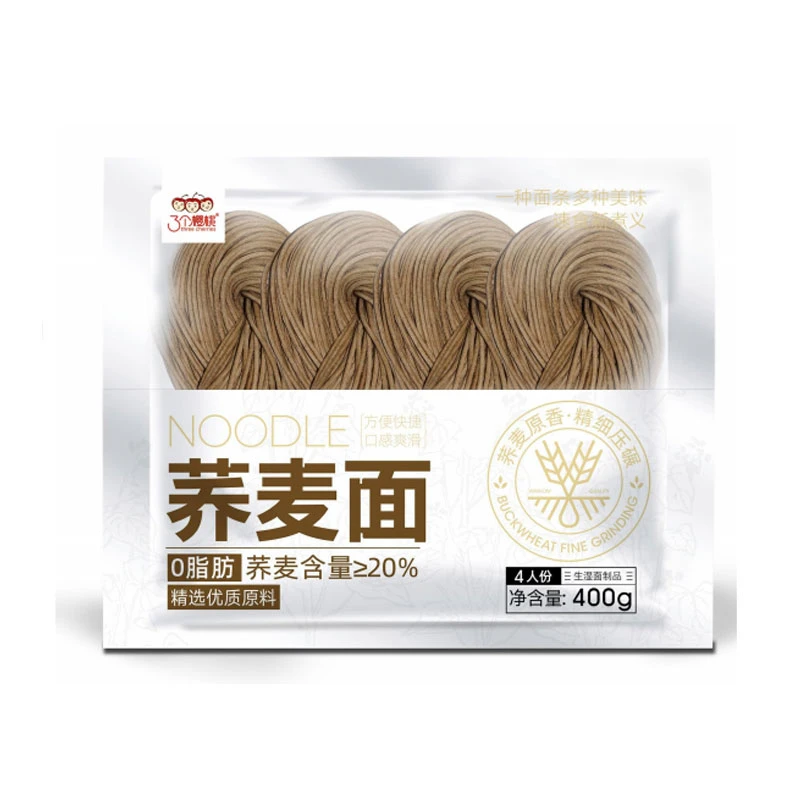
Soba noodles crafted mainly from buckwheat flour strike a unique balance between texture, nutrition, and taste. Buckwheat (Fagopyrum esculentum) isn’t actually a grain but seed-like fruit, often classified with pseudocereals — a neat twist in grain-based foods. Buckwheat flour soba is typically made by mixing buckwheat flour with wheat flour for elasticity and kneading into thin noodles that are then boiled and served hot or cold.
From a nutrition standpoint, buckwheat soba offers a high-quality protein with balanced amino acids, a low glycemic index, and notable antioxidants.
Key Aspects of Buckwheat Flour Soba
1. Nutritional Profile
Buckwheat soba noodles are rich in fiber, magnesium, and antioxidants like rutin, beneficial for cardiovascular health. They make a perfect gluten-reduced alternative for many with sensitivities.
2. Cultivation & Sustainability
Buckwheat thrives in poor soils where wheat or maize might fail, requires less water, and grows rapidly, often within three months. This short life cycle makes it a candidate for crop rotation, promoting soil health and biodiversity.
3. Culinary Versatility
Soba noodles can be enjoyed cold with dipping sauces, in hot broths, stir-fried, or baked into innovative dishes. Their earthy flavor lends well to fusion cuisines.
4. Cultural Heritage
In Japan, soba holds a ceremonial place, eaten on New Year's Eve or during festivals, symbolizing longevity and prosperity. This cultural weight adds demand beyond nutrition.
5. Processing Challenges
Using pure buckwheat flour makes the dough crumbly, requiring expert kneading or blending with wheat flour. Advances in machinery and recipes are making 100% buckwheat soba increasingly viable.
Mini Takeaway:
Buckwheat flour soba blends tradition, nutrition, and sustainability—all wrapped up in a delicious, timeless package.
Global Use Cases for Buckwheat Flour Soba
Across Asia, especially in Japan and Korea, soba remains a regular dietary staple. Yet, its appeal is transcending borders. For instance:
- Europe and North America: Health food markets embrace soba noodles as gluten-sensitive alternatives.
- Humanitarian Aid: Buckwheat’s hardiness makes it ideal in regions with unpredictable climates, supporting local food security.
- Culinary Innovation: Chefs worldwide experiment with soba in fusion dishes, raising awareness.
In post-disaster areas, rapid-growing buckwheat can help reestablish food crops quickly. NGOs championing sustainable agriculture are also promoting buckwheat cultivation to diversify diets and incomes.
Advantages and Long-Term Value of Buckwheat Flour Soba
Beyond taste, soba noodles made from buckwheat offer:
- Economic benefits: Lower input cost for farmers, potential for new markets.
- Environmental sustainability: Less pesticide and water use.
- Social impact: Supports smallholder farmers and preserves culinary heritage.
- Health advantages: Suitable for diabetics and those seeking heart-healthy foods.
It’s this mix of logic and emotion—knowing what’s on your plate supports the planet and community—that resonates deeply with modern consumers.
Product Specification Table for Typical Buckwheat Flour Soba
| Specification | Value |
|---|---|
| Buckwheat Flour Content | 80–100% |
| Protein Content | 9–12% |
| Cooking Time | 2–4 minutes |
| Shelf Life (Uncooked) | 12–18 months (dry) |
| Gluten Content | Minimal to none (except blends) |
| Recommended Storage | Cool, dry place |
Comparing Leading Buckwheat Soba Vendors
| Vendor | Product Range | Gluten-Free Options | Sustainability Practices | Price Range (per kg) |
|---|---|---|---|---|
| Yamaki Soba Co. | Traditional & Organic | Yes | Certified Organic & Low Impact | $5.50–$8.00 |
| SobaZen Foods | Gluten-free & Vegan Lines | Yes | Fair Trade Partnered | $6.00–$9.00 |
| Natural Noodle Co. | Conventional and Artisan | Limited | Local Sourcing & Minimal Packaging | $4.50–$7.00 |
Emerging Trends & Innovations in Buckwheat Flour Soba
It’s not just a static tradition. There’s exciting innovation with buckwheat flour soba—from fermentation techniques enhancing flavor and digestibility to digital automation in noodle shaping for consistent quality. Researchers are exploring cold-pressed buckwheat oil inclusion for added nutrition. Hybrid crops combining buckwheat traits with drought resistance are in development, aiming to further widen cultivation possibilities.
Sustainability drives reformulations: reducing wheat in blends or crafting entirely wheat-free noodles aligns with the rising gluten-free movement—and given buckwheat’s rapid growth, this fits right into climate-smart agriculture initiatives.
Challenges & Expert Solutions
Despite its promise, challenges exist. Buckwheat’s brittle flour complicates dough formation, sometimes limiting 100% buckwheat noodle production. Storage can risk pest or moisture damage. Plus, price volatility linked to niche crop production adds uncertainty.
Experts recommend integrated pest management, blending with resilient wheat flour only when necessary, and employing modern drying technologies to enhance texture and shelf life. Meanwhile, educating local farmers about buckwheat’s benefits supports sustainable scalability.
FAQ: Your Questions About Buckwheat Flour Soba Answered
- Is buckwheat flour soba suitable for gluten-free diets?
Pure buckwheat flour is naturally gluten-free, but many soba noodles mix buckwheat with wheat flour for texture. Look for 100% buckwheat or gluten-free certified labels if avoiding gluten entirely. - How long does soba flour last and how should I store it?
Uncooked soba noodles or soba flour typically keep 12–18 months in cool, dry conditions, sealed from moisture and pests. - Can buckwheat grow in harsh climates?
Yes, buckwheat tolerates poor soils and cooler climates, making it an excellent crop for regions where wheat struggles. - Why do some soba noodles taste different?
Variations come from buckwheat percentage, water quality, milling methods, and regional recipe traditions. - How can I incorporate soba into modern cuisine?
Besides classic uses, try soba in stir-fries, cold salads, or even as noodle bowls with fresh vegetables and broths.
Wrapping Up: The Case for Buckwheat Flour Soba
Ultimately, buckwheat flour soba is more than just noodles. It symbolizes a confluence of nutrition, tradition, sustainability, and adaptability. Whether you’re a farmer considering resilient crops, a foodie chasing healthful flavors, or an innovator seeking eco-friendly food solutions, soba offers something compelling. I suggest you take a closer look yourself—try different varieties or even explore how it’s made. There’s a rich story in every bite.
For more details and to explore quality buckwheat soba, visit our website at https://www.jxsemidrynoodles.com.
References & Further Reading:
-
Discover the Authentic Taste of Korean Buckwheat NoodlesNewsApr.16,2026
-
Discover the Refreshing Taste of Authentic Korean Cold SobaNewsApr.09,2026
-
Discover the Refreshing Taste of Korean Cold Buckwheat Noodles NaengmyeonNewsApr.07,2026
-
Discover the Cool and Refreshing World of Korean Buckwheat Noodles ColdNewsApr.04,2026
-
Discover the Refreshing Taste of Japanese Cold Buckwheat Noodles and Zaru SobaNewsMar.31,2026
-
Exploring the Delicious World of Chinese Style Cold NoodlesNewsMar.28,2026
-
Discover the Cool and Refreshing World of Korean Cold Soba NoodlesNewsMar.26,2026
Browse qua the following product new the we