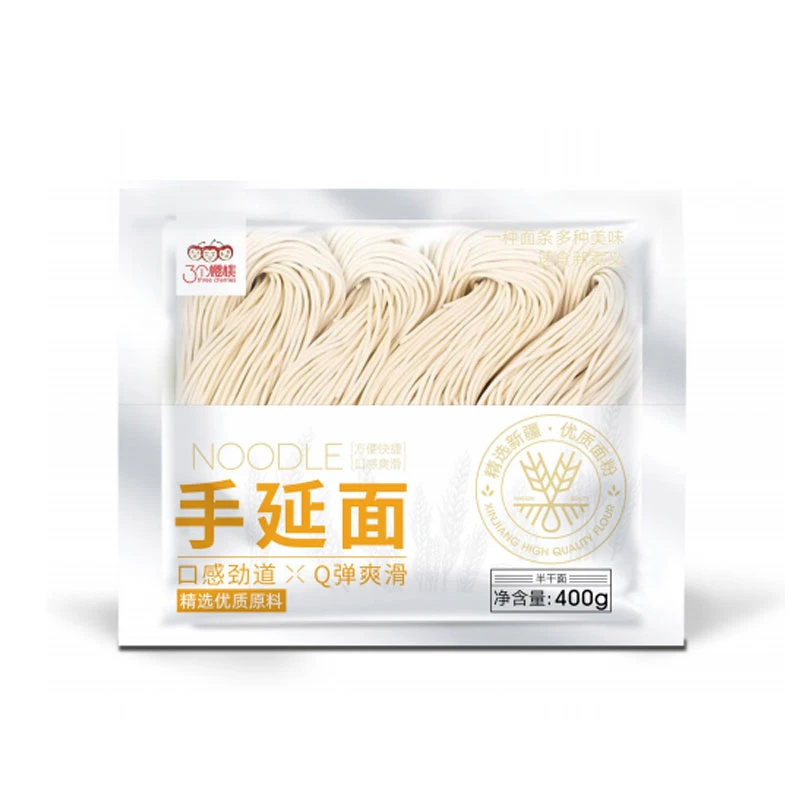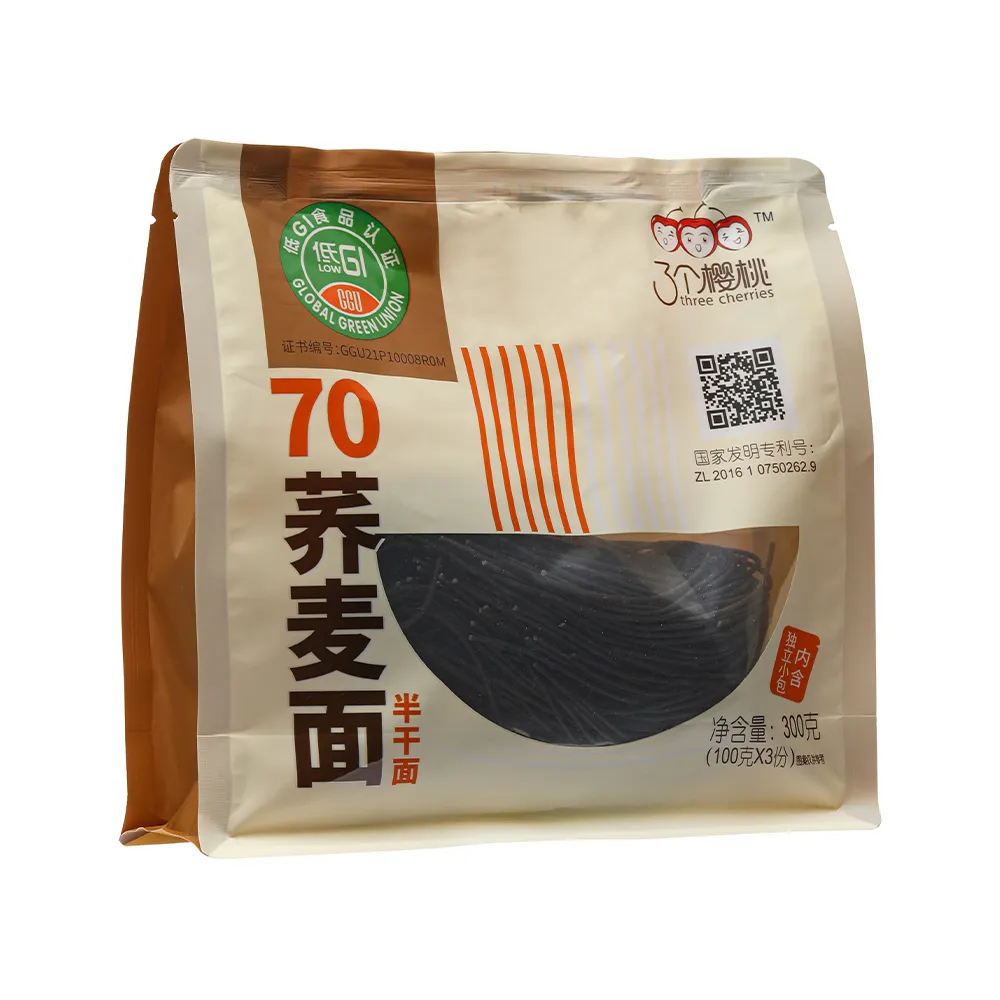

Different Types of Udon and Their Industrial Importance | JX Semi-Dry Noodles
Exploring Different Types of Udon: A Veteran’s Take
Having spent more than a decade around industrial food processing—yeah, odd as it sounds, I’ve handled all sorts of things from heavy machinery to semi-dry culinary products—I’ve grown a bit fascinated with how even something as humble as udon noodles can vary so much in style, design, and purpose. Udon isn’t just about thick wheat noodles; it’s an intricate craft, finely balanced between tradition and industrial efficiency.
In real terms, different udon types reflect everything from noodle thickness, moisture content, and drying techniques to how the noodles behave during cooking. Frankly, people often overlook how much engineering goes into a quality batch of noodles—especially those meant for packaging and longer shelf life, like semi-dry udon varieties.
Udon Types and Their Industrial Significance
Broadly, udon can be divided into fresh, frozen, dried, and semi-dry (or “half-dried”) types. Each type suits a different customer need or production environment. For instance, fresh udon retains its chewiness but spoils quickly. Frozen maintains texture but demands a cold chain. Dried variants obviously last long but sometimes sacrifice that authentic “bite.” Semi-dry udon? It’s a pragmatic middle ground, optimizing shelf life without compromising much on texture.
Many engineers I know swear by semi-dry udon when designing packaged meals for convenience stores or ready-made kits. This type is gently dried to remove moisture partially—typically down to around 20-30%, which curbs microbial growth but keeps the noodle pliable. Naturally, processing parameters—like temperature, drying time, and moisture targets—must be tightly controlled. It’s tough, but these noodles can actually cook faster and hold up better in warming trays, which is a big plus on the factory floor.
What Makes Udon Types Different? An Inside Look at Specs
Here’s a quick snapshot of typical specs that distinguish various udon types. These factors profoundly affect everything from transport logistics to culinary end-use:
| Udon Type | Moisture Content (%) | Shelf Life | Texture | Typical Use |
|---|---|---|---|---|
| Fresh | ~40-45 | Few days (refrigerated) | Soft, chewy | Restaurant, home cooking |
| Frozen | ~35-40 | Months (frozen) | Preserved chew | Frozen meals |
| Dried | ~10-12 | Months (room temp) | Firm, often brittle | Long shelf snacks, kits |
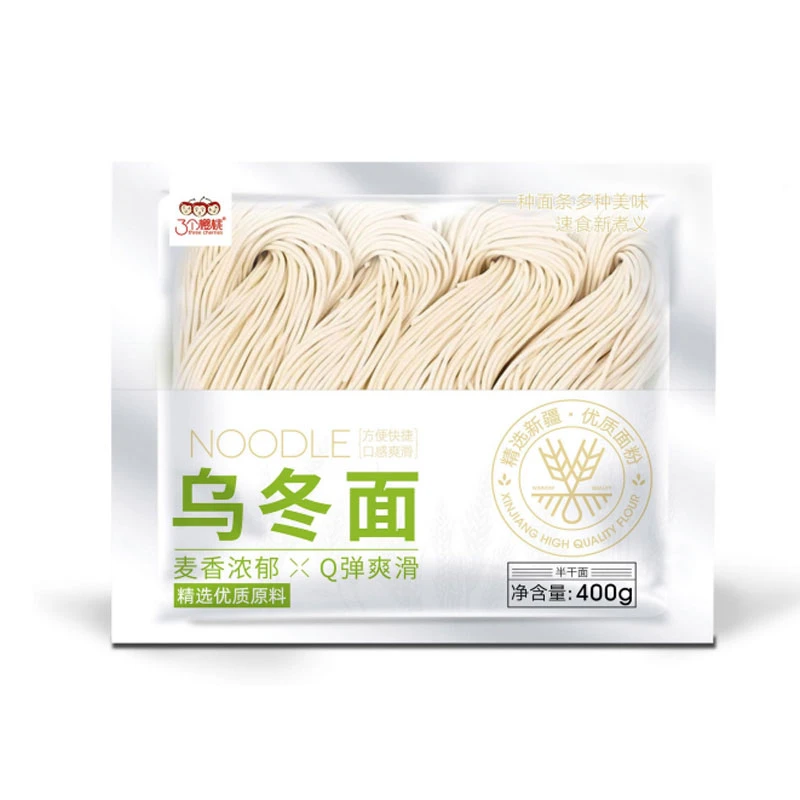
| Semi-dry | ~20-30 | Weeks to months | Tender, resilient | Packaged meals, convenience |
Vendor Comparison: What to Look for When Choosing an Udon Supplier
In my experience, selecting a reliable vendor is almost as crucial as the noodle recipe itself. You can have the perfect dough mix, but if drying is off or packaging is sloppy, the product is essentially doomed before it hits the consumer’s bowl.
| Vendor | Range of Udon Types | Quality Control | Customization Options | Global Shipping |
|---|---|---|---|---|
| JX Semi-Dry Noodles | Fresh, Semi-Dry, Dried | ISO 22000; Batch tested | Yes, thickness & moisture | Worldwide |
| NoodleTech Co. | Frozen, Dried | Regular audits, spot-checked | Limited | Regional |
| Asia Foods Ltd. | Fresh, Frozen, Semi-Dry | Established QA dept. | Moderate | International |
On a personal note, I’ve witnessed how JX Semi-Dry Noodles stands out by focusing on meticulous quality control and offering tailored thickness/moisture content. Oddly enough, that flexibility is a game changer for product developers targeting multiple markets with specific taste and texture expectations.
A quick customer story: A medium-sized meal kit company once told me how switching to a semi-dry udon supplier reduced their recalls due to sogginess and improved consumer satisfaction rates noticeably. It feels like the semi-dry segment is both an art and a science, and companies who get it are those who invest in precise manufacturing controls and know their end-use cases well.
Ultimately, in a world of endless noodle choices, understanding these types helps you appreciate the craft behind your bowl—plus, it’s an underrated advantage when picking a supplier for your industrial food line. So next time you dig into a steaming bowl of udon, maybe spare a thought for its industrial journey from wheat to wok.
References:
1. Food Engineering Magazine: Udon Processing Techniques (2021)
2. Industry Reports on Ready Meals & Convenience Foods (2022)
3. Interviews with Food Tech Engineers, private collection
-
Discover the Authentic Taste of Korean Buckwheat NoodlesNewsApr.16,2026
-
Discover the Refreshing Taste of Authentic Korean Cold SobaNewsApr.09,2026
-
Discover the Refreshing Taste of Korean Cold Buckwheat Noodles NaengmyeonNewsApr.07,2026
-
Discover the Cool and Refreshing World of Korean Buckwheat Noodles ColdNewsApr.04,2026
-
Discover the Refreshing Taste of Japanese Cold Buckwheat Noodles and Zaru SobaNewsMar.31,2026
-
Exploring the Delicious World of Chinese Style Cold NoodlesNewsMar.28,2026
-
Discover the Cool and Refreshing World of Korean Cold Soba NoodlesNewsMar.26,2026
Browse qua the following product new the we