
-
 Affricanaidd
 -
 Albaneg
 -
 Amhareg
 -
 Arabeg
 -
 Armenaidd
 -
 Azerbaijani
 -
 Basgeg
 -
 Belarwseg
 -
 Bengali
 -
 Bosnieg
 -
 Bwlgareg
 -
 Catalaneg
 -
 Cebuano
 -
 Corseg
 -
 Croateg
 -
 Tsiec
Tsiec -
 Daneg
Daneg -
 Iseldireg
 -
 Saesneg
 -
 Esperanto
 -
 Estoneg
 -
 Ffinneg
 -
 Ffrangeg
 -
 Ffriseg
 -
 Galiseg
 -
 Sioraidd
 -
 Almaeneg
 -
 Groeg
Groeg -
 Gwjarati
 -
 Creol Haitaidd
 -
 hausa
hausa -
 hawaiian
 -
 Hebraeg
 -
 Naddo
Naddo -
 Miao
Miao -
 Hwngareg
 -
 Islandeg
 -
 igbo
igbo -
 Indoneseg
 -
 gwyddelig
 -
 Eidaleg
 -
 Japaneaidd
 -
 Jafaneg
 -
 Kannada
 -
 kazakh
 -
 Khmer
Khmer -
 Rwanda
 -
 Corëeg
 -
 Cwrdaidd
 -
 Kyrgyz
 -
 TB
TB -
 Lladin
 -
 Latfieg
 -
 Lithwaneg
 -
 Lwcsembwrgaidd
 -
 Macedonaidd
 -
 Malgashi
 -
 Maleieg
 -
 Malayalam
 -
 Malteg
 -
 Maori
Maori -
 Marathi
 -
 Mongoleg
 -
 Myanmar
 -
 Nepali
 -
 Norwyaidd
 -
 Norwyaidd
 -
 Ocsitaneg
 -
 Pashto
 -
 Perseg
 -
 Pwyleg
 -
 Portiwgaleg
 -
 Pwnjabi
 -
 Rwmania
 -
 Rwsiaidd
 -
 Samoaidd
 -
 Gaeleg yr Alban
 -
 Serbeg
 -
 Saesneg
 -
 Shona
Shona -
 Sindhi
 -
 Sinhala
 -
 Slofaceg
 -
 Slofeneg
 -
 Somalïaidd
 -
 Sbaeneg
 -
 Sundanaidd
 -
 Swahili
 -
 Swedeg
 -
 Tagalog
 -
 Tajiceg
 -
 Tamil
Tamil -
 Tatar
Tatar -
 Telugu
 -
 Thai
Thai -
 Twrceg
 -
 Tyrcmeniaid
 -
 Wcrain
 -
 Wrdw
Wrdw -
 Uighur
 -
 Wsbeceg
 -
 Fietnameg
 -
 Cymraeg
 -
 Help
Help -
 Iddeweg
 -
 Iorwba
 -
 Zwlw
Zwlw
Kinds of Italian Pasta
When it comes to beloved comfort food, few dishes can rival the global appeal of pasta. The vast kinds of Italian pasta available today offer more than just variety—they reveal centuries of culinary tradition, regional identity, and passionate craftsmanship. From the sturdy rigatoni of Rome to the delicate trofie of Liguria, the kinds of Italian pasta represent an edible map of Italy’s diverse landscape.
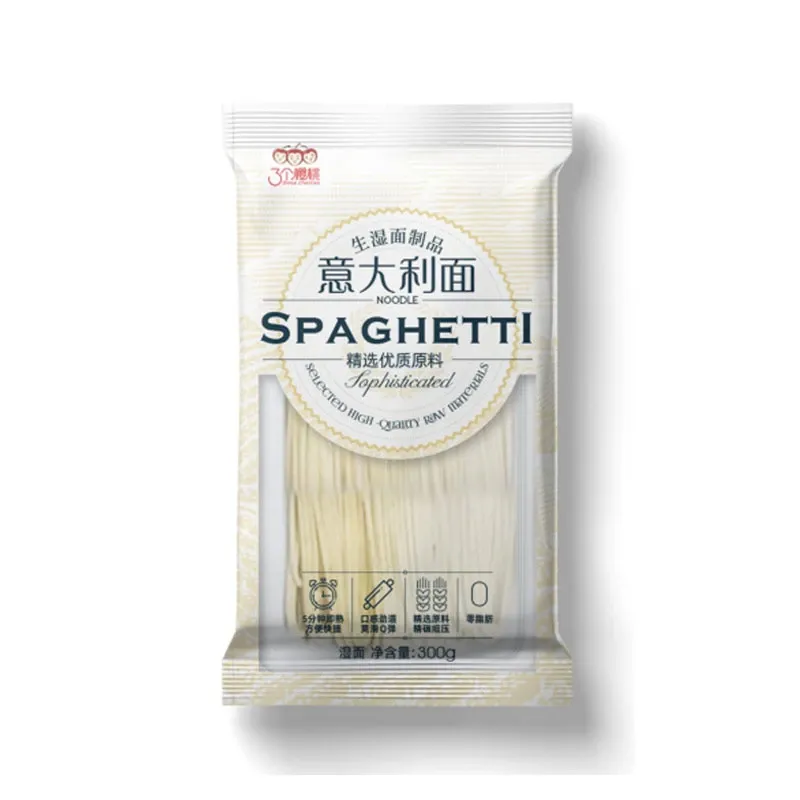
Broadly, Italian pasta can be categorized into two groups: fresh and dried. Within these, you’ll find hundreds of different kinds of Italian pasta—each designed to suit specific sauces and ingredients. Long noodles like spaghetti and linguine are perfect for oil-based or tomato sauces, while short pasta like penne and fusilli work well with chunky or creamy sauces that cling to ridges and grooves.
Stuffed pastas like ravioli, tortellini, and agnolotti are cherished for their rich fillings, often made with ricotta, spinach, or minced meats. Tubular pastas such as cannelloni and manicotti are typically baked with cheese and tomato sauce, providing a hearty and indulgent experience.
While some kinds of Italian pasta are enjoyed globally, many lesser-known varieties are only found in specific Italian towns. Bigoli, pici, orecchiette, strozzapreti—the list goes on. These pastas reflect the agricultural products of each region and are often shaped by hand using traditional tools and techniques passed down through generations.
Understanding the different kinds of Italian pasta isn’t just a lesson in food—it’s an invitation to explore the heart of Italian culture.
Italian Noodles: Beyond Spaghetti and Into Tradition
Although often used interchangeably, the term "Nwdls Eidalaidd" brings to mind more than just spaghetti. It represents the time-honored art of making pasta in all its forms—long, short, flat, curled, or filled. In Italy, noodles aren’t just about shape; they’re about story, seasonality, and soul.
Long Nwdls Eidalaidd such as tagliatelle, fettuccine, and pappardelle are often served with slow-cooked ragùs that cling beautifully to their ribbon-like surfaces. Tagliatelle al ragù alla Bolognese is a classic example, where egg-based pasta embraces a rich meat sauce with unmatched harmony.
In the southern regions, thinner noodles like vermicelli and capellini pair better with light seafood sauces or fresh tomato-based dressings. These Nwdls Eidalaidd cook quickly and deliver an elegant, silky bite when properly prepared.
In central Italy, you'll find egg-based pasta made with just flour and yolks—producing a richer, more golden Italian noodle. In contrast, the south often uses durum wheat semolina and water, yielding a firmer, chewier noodle perfect for everyday meals.
Traditional recipes rely heavily on texture and thickness, so selecting the right Nwdls Eidalaidd can elevate a dish from ordinary to unforgettable. When pasta is treated not as a blank canvas but as a key flavor contributor, every bite becomes a celebration of Italian culinary heritage.
Today, thanks to a growing appreciation for artisanal products, more home cooks and chefs are exploring the wide variety of Nwdls Eidalaidd available from specialty shops and online purveyors.
Fresh Pasta Suppliers: Bringing Artisanal Italian Pasta to Your Kitchen
In a market saturated with factory-made products, fresh pasta suppliers stand out by delivering the taste, texture, and quality of authentic Italian cuisine. Whether you're a restaurant owner looking for wholesale options or a home chef seeking gourmet ingredients, working with trusted fresh pasta suppliers can dramatically elevate your pasta experience.
These suppliers often source high-quality flour, eggs, and water to create traditional and regional pastas. Many specialize in small-batch or custom orders, offering hand made pasta shapes that you won’t find in your average grocery store. From egg-rich tagliolini to gluten-free gnocchi, the options are as diverse as the palates they serve.
What sets reputable fresh pasta suppliers apart is their commitment to craftsmanship. Pasta is typically extruded through bronze dies, which create a rough surface that better holds onto sauces. Many also follow traditional drying methods at low temperatures to preserve flavor and nutritional integrity.
Whether you're searching for pasta made with truffle, squid ink, beetroot, or even ancient grains like farro or kamut, specialized fresh pasta suppliers offer a wider and more customizable selection than commercial brands.
Restaurants, catering companies, and gourmet food retailers frequently establish long-term partnerships with these artisans to ensure consistency and authenticity. Some suppliers even provide pasta-making workshops and tasting events, sharing knowledge as well as nourishment.
The growing demand for traceable, ethically produced food makes the role of fresh pasta suppliers more vital than ever in the global gourmet scene.
Hand Made Pasta: The Heart and Soul of Italian Cooking
The charm of hand made pasta lies not just in its texture and taste but in the love, labor, and legacy woven into every strand. Whether rolled out on a wooden board or formed with simple kitchen tools, hand made pasta is a tribute to Italian nonnas who’ve spent lifetimes perfecting the art of pasta making.
The process begins with humble ingredients—usually just flour and eggs—but the outcome is anything but ordinary. Mixing, kneading, resting, and rolling require time and precision. Unlike machine-made pasta, hand made pasta boasts subtle irregularities in shape and size that contribute to its unique character and superior sauce absorption.
Popular hand made pasta varieties include pici (thick Tuscan spaghetti), orecchiette (little ears from Puglia), and trofie (twisted Ligurian noodles), each crafted to match local sauces and ingredients. In Emilia-Romagna, sfoglia (thin pasta sheets) are meticulously stretched by hand to make lasagna or tortellini.
Many modern chefs have revived this age-old practice, offering workshops and pasta-tasting menus that spotlight hand made pasta as the star. Food lovers are also taking up pasta-making at home, armed with rolling pins, ravioli stamps, and family recipes rediscovered in old cookbooks.
While it takes more time and effort, the payoff is unmistakable. The silky bite, the nuanced flavor, and the satisfaction of crafting something beautiful with your own hands make hand made pasta a timeless culinary tradition that continues to captivate hearts worldwide.
Why Kinds of Italian Pasta Still Matter in the Global Kitchen
In a world of fast food and fusion trends, the diverse kinds of Italian pasta continue to hold their ground as pillars of comfort, culture, and creativity. From bustling trattorias in Rome to Michelin-starred kitchens in New York, pasta remains a staple that bridges continents and generations.
Part of the pasta's global resilience lies in its adaptability. New generations of chefs and home cooks are incorporating global ingredients—miso, nori, za’atar—into traditional Nwdls Eidalaidd recipes, creating exciting culinary mashups while preserving core techniques.
There’s also a revived interest in sourcing from ethical fresh pasta suppliers who prioritize sustainability, organic practices, and fair labor. This ensures that the hand made pasta enjoyed on your plate isn’t just delicious—it’s responsibly made.
In the end, what makes pasta truly enduring isn’t just its flavor or versatility, but the story behind each shape and style. When you explore different kinds of Italian pasta, you're not just tasting food—you’re partaking in a living history of agriculture, artistry, and affection passed down for generations.
For every palate and every plate, there’s a pasta to match. All it takes is curiosity, quality ingredients, and perhaps, a little flour on your hands.
FAQs About Italian Pasta and Buying Tips
What are the most common kinds of Italian pasta and their uses?
There are hundreds of kinds of Italian pasta, but some of the most popular include spaghetti (ideal for tomato sauces), penne (great for baked dishes), farfalle (for pasta salads), and tagliatelle (perfect with creamy or meaty sauces). Each type has a purpose, often based on its ability to hold or absorb different kinds of sauce.
How are Italian noodles different from Asian noodles?
Nwdls Eidalaidd are typically made from durum wheat semolina and water or flour and eggs, resulting in a firmer bite and more sauce-holding capacity. Asian noodles vary widely but often include rice or other flours and have different cooking methods and textures. Flavor pairings and sauces also differ greatly based on cultural context.
Where can I find reliable fresh pasta suppliers online?
You can find reputable fresh pasta suppliers through gourmet marketplaces, Italian food importers, or local artisan directories. Look for suppliers that offer detailed product descriptions, ingredient transparency, and positive reviews. Some well-known suppliers even ship nationwide or internationally, ensuring access to quality pasta wherever you live.
Why is hand made pasta considered better by many chefs?
Many chefs and food enthusiasts prefer hand made pasta because it offers superior texture, richer flavor, and better sauce adhesion. The slow and careful process allows for personal touches, such as varying thickness or unique shapes, which enhance both presentation and taste. Additionally, it reflects authenticity and craftsmanship.
Can I freeze fresh or hand made pasta for later use?
Yes, both fresh pasta suppliers and home cooks often freeze hand made pasta to extend its shelf life. Make sure to dust the pasta with flour, lay it flat or loosely coil it, and freeze on trays before transferring to airtight containers. Frozen pasta typically lasts up to two months and should be cooked directly from frozen for best results.
-
Discover the Authentic Taste of Korean Buckwheat NoodlesNewyddionApr.16,2026
-
Discover the Refreshing Taste of Authentic Korean Cold SobaNewyddionApr.09,2026
-
Discover the Refreshing Taste of Korean Cold Buckwheat Noodles NaengmyeonNewyddionApr.07,2026
-
Discover the Cool and Refreshing World of Korean Buckwheat Noodles ColdNewyddionApr.04,2026
-
Discover the Refreshing Taste of Japanese Cold Buckwheat Noodles and Zaru SobaNewyddionMar.31,2026
-
Exploring the Delicious World of Chinese Style Cold NoodlesNewyddionMar.28,2026
-
Discover the Cool and Refreshing World of Korean Cold Soba NoodlesNewyddionMar.26,2026
Pori qua y cynnyrch canlynol newydd yr ydym
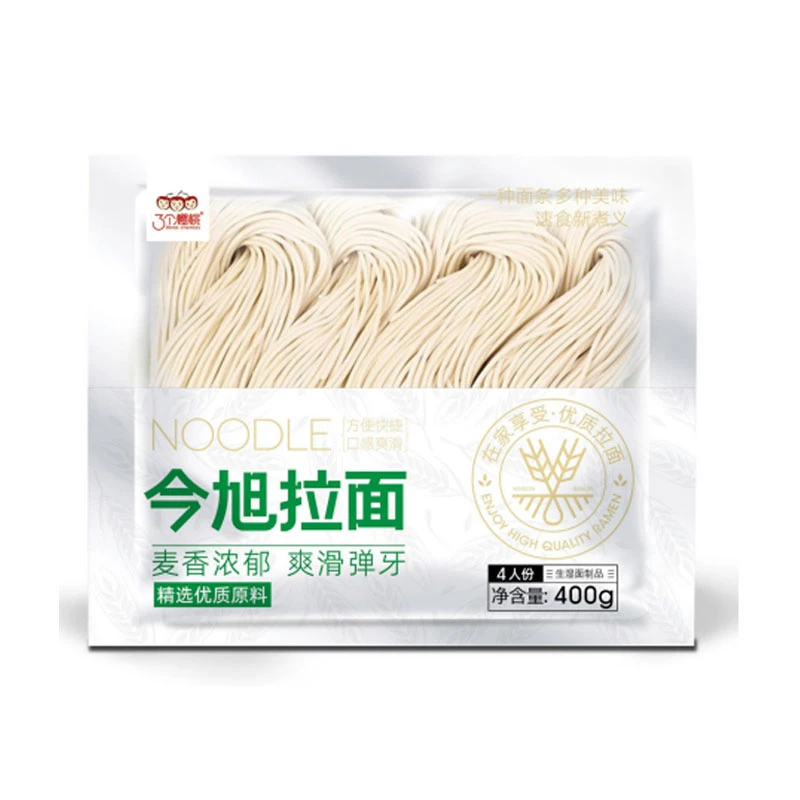
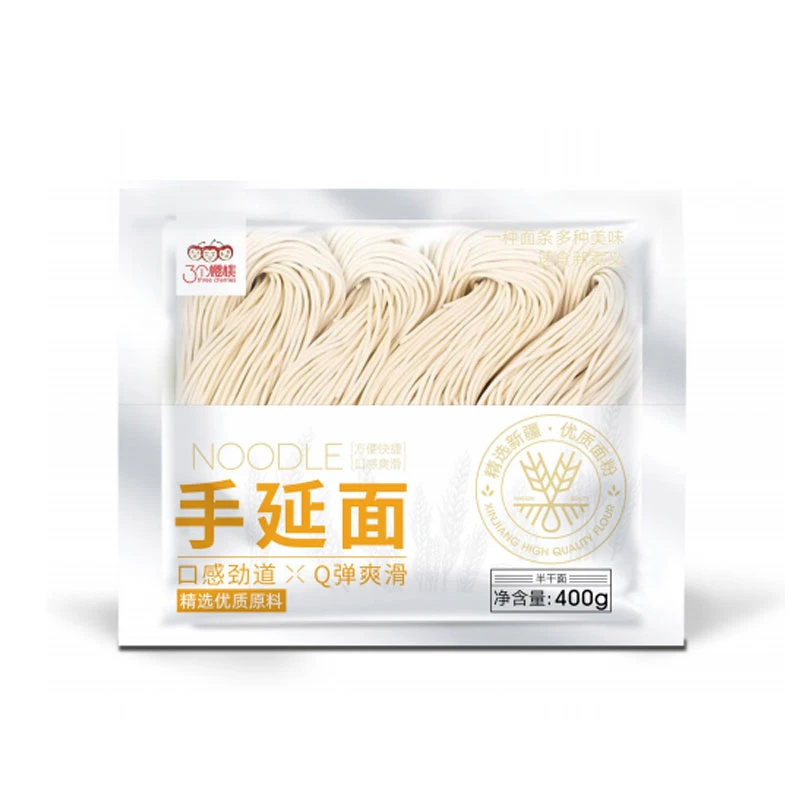
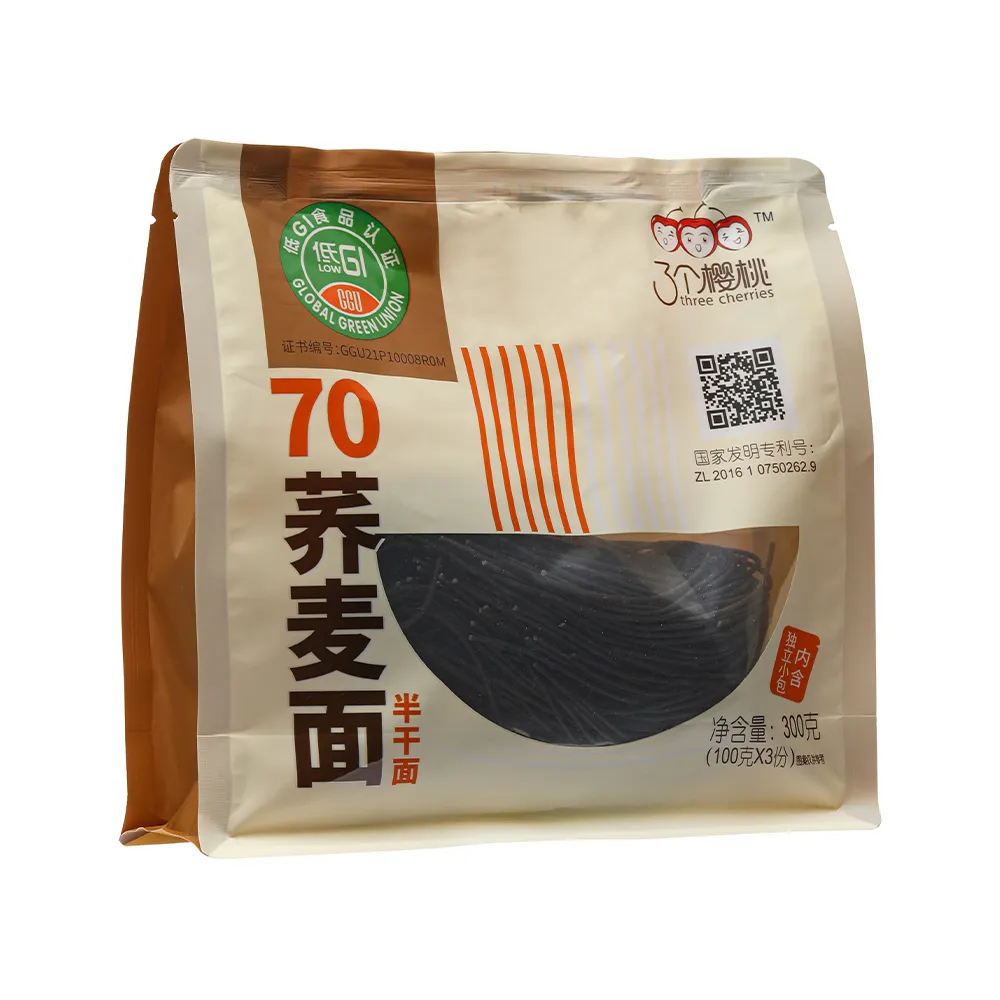
Italian Pasta Varieties Explore Authentic Kinds & Instant Noodle Options
-
Discover the Authentic Taste of Korean Buckwheat NoodlesNewyddionApr.16,2026
-
Discover the Refreshing Taste of Authentic Korean Cold SobaNewyddionApr.09,2026
-
Discover the Refreshing Taste of Korean Cold Buckwheat Noodles NaengmyeonNewyddionApr.07,2026
-
Discover the Cool and Refreshing World of Korean Buckwheat Noodles ColdNewyddionApr.04,2026
-
Discover the Refreshing Taste of Japanese Cold Buckwheat Noodles and Zaru SobaNewyddionMar.31,2026
-
Exploring the Delicious World of Chinese Style Cold NoodlesNewyddionMar.28,2026
-
Discover the Cool and Refreshing World of Korean Cold Soba NoodlesNewyddionMar.26,2026
Pori qua y cynnyrch canlynol newydd yr ydym