-
Craving a refreshing and satisfying meal? Look no further than cold chewy noodles, a beloved staple in Korean cuisine! These noodles, known for their unique texture and vibrant flavors, offer a delightful experience perfect for hot summer days or as a quick and easy meal. At JX Semi-Dry Noodles, we specialize in crafting the authentic, high-quality noodles that make this dish truly special. Explore the world of cold chewy noodles korean with us! What sets these noodles apart is their incredible chewiness. This texture isn't accidental; it’s achieved through the use of starch, often from sweet potatoes, and a specialized kneading process. Unlike many other noodle varieties, Korean cold chewy noodles (often called kalguksu or janchi guksu depending on the cut and preparation) maintain a delightful firmness even when chilled. They're typically served in a chilled broth, frequently seasoned with soy sauce, vinegar, garlic, and sesame oil, and topped with a variety of fresh vegetables like cucumber, kimchi, and sometimes even a boiled egg.Přečtěte si více
-
Japanese chilled noodles, known as hiyashi chuka or zaru udon, are a beloved summer staple in Japan. These cool and refreshing dishes offer a delightful escape from the heat, combining perfectly cooked noodles with crisp vegetables and flavorful sauces. From the thin, wheat-based somen to the thick, chewy udon, there’s a chilled noodle experience for every palate. This article will delve into the world of japanese chilled noodles, exploring different varieties, popular toppings, and how to create these culinary delights at home. Discover the art of enjoying a truly authentic taste of Japan, perfect for a light lunch or a satisfying dinner.Přečtěte si více
-
Arrowroot naengmyeon, a refreshing Korean noodle dish, is gaining international recognition for its unique texture and flavor. Traditionally served cold, this dish offers a delightful culinary experience, particularly during warmer months. At JX Semi-Dry Noodles, we specialize in crafting high-quality arrowroot naengmyeon noodles that capture the authentic taste of Korea. This article will explore the history, preparation, nutritional benefits, and growing global popularity of arrowroot naengmyeon. We’ll uncover what makes our noodles the perfect base for your next culinary adventure. Naengmyeon’s origins can be traced back to the Joseon Dynasty in Korea. Initially a dish enjoyed by the royal court, it slowly gained popularity amongst the general public. Historically, the noodles were made from buckwheat flour, but variations using arrowroot starch emerged, particularly in the northern regions of Korea. Arrowroot provides a distinctively chewy and slightly translucent texture, setting it apart from traditional buckwheat naengmyeon.Přečtěte si více
-
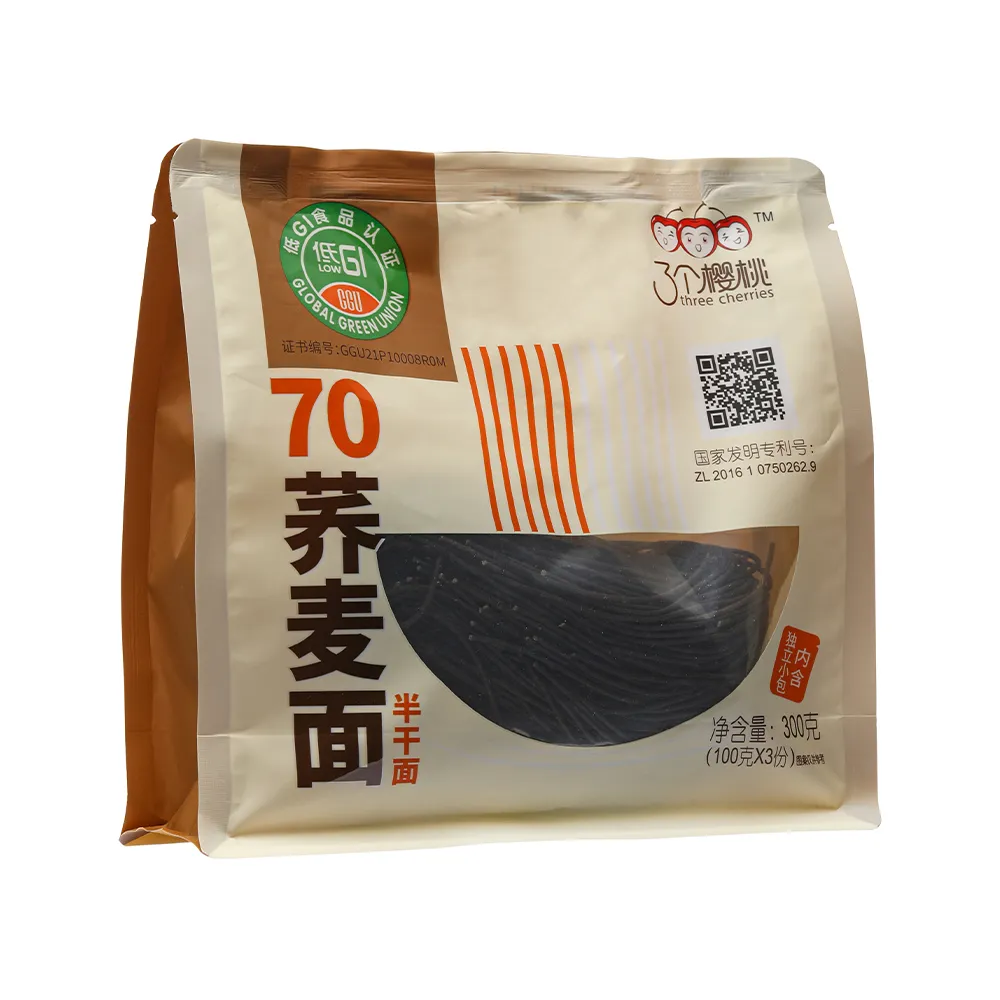 Discover patent surface technology and low GI benefits of Low GI70 Soba. Backed by clinical trials and certified by Beijing Institute of Nutrition Source, this diabetic-friendly noodle ensures blood sugar control. Explore: https://www.jxsemidrynoodles.com/low-gi70-soba-128.htmlPřečtěte si více
 -
Cold noodles, a beloved staple in Chinese cuisine, offer a refreshing and flavorful experience, especially during warmer months. From the vibrant streets of Beijing to the bustling kitchens of Sichuan, various regional variations showcase the versatility of this dish. This article will delve into the fascinating world of cold noodles Chinese, exploring its history, regional differences, popular ingredients, and how to enjoy this delightful culinary creation. We'll also look at how high-quality noodles, like those from JX Semi-dry Noodles, can elevate your cold noodle experience. The origins of cold noodles can be traced back centuries in China, evolving from simple wheat-based dishes to the complex and diverse offerings we see today. Initially, cold noodles were a practical way to utilize leftover cooked noodles, transforming them into a refreshing meal.Přečtěte si více
-
The question of whether you can substitute soba noodles for yakisoba noodles often arises, especially when you're craving a quick and tasty meal but find yourself short on ingredients. While yakisoba noodles are specifically designed for that savory, stir-fried dish, soba noodles can be used as an alternative – with some considerations. This article delves into the differences between the two, explores the results of using soba noodles in yakisoba, and offers tips for achieving the best possible outcome. Discover if your pantry staple can successfully fill in for the authentic noodle, and learn how to make the most of your culinary substitution. Explore more noodle options at JX Semi-dry Noodles. Understanding the Differences: Soba vs. Yakisoba Noodles Yakisoba noodles are wheat flour noodles, similar to ramen, specifically formulated to withstand high-heat stir-frying without becoming mushy. They often contain kansui, an alkaline solution that gives them a distinctive yellow color and chewy texture. Soba noodles, on the other hand, are traditionally made from buckwheat flour, giving them a darker color and a more delicate, earthy flavor.Přečtěte si více
-
Ramen is a beloved dish worldwide, known for its rich broth and chewy noodles. But what happens when you're out of ramen noodles? Can you substitute soba noodles? The answer is a bit complex, as it depends on your preferences and desired outcome. This article delves into the differences between soba and ramen noodles, explores the possibility of using soba in ramen, and provides guidance for achieving the best possible result. Explore our range of authentic semi-dry noodles to elevate your ramen experience! Ramen noodles are typically made from wheat flour, water, salt, and kansui, an alkaline solution that gives them their distinctive yellow color and chewy texture. Soba noodles, on the other hand, are crafted primarily from buckwheat flour, though they often include a small amount of wheat flour for binding. This difference in composition leads to vastly different textures and flavors. Ramen noodles are firm and elastic, designed to hold up well in a hot broth. Soba noodles are more delicate, with a slightly nutty flavor and a smoother, less chewy texture.Přečtěte si více
-
Ramen, the beloved noodle soup, is defined by its unique wheat noodles. But what happens if you're out of ramen noodles and have a package of soba noodles on hand? Jx Semi-dry Noodles specializes in providing authentic Asian noodles, and we're here to break down whether soba can be a substitute for ramen, discussing their differences, how they impact the final dish, and what to expect if you make the switch. We’ll cover everything you need to know to make an informed decision for your next ramen craving. The primary difference lies in the ingredients. Ramen noodles are made from wheat flour, water, salt, and kansui, an alkaline solution that gives them their signature springy texture and yellow color. Soba noodles, on the other hand, are traditionally made from buckwheat flour and water.Přečtěte si více
-
Cold Cha Soba, a beloved Japanese noodle dish, is a refreshing and flavorful culinary experience, especially during warmer months. It's more than just noodles in a sauce; it’s a beautiful balance of textures and tastes. This article will explore the origins, ingredients, preparation, and cultural significance of Cold Cha Soba, offering a comprehensive guide for enthusiasts and newcomers alike. Discover the art of enjoying this classic dish, and learn where to source the highest-quality ingredients. For authentic noodles, explore JX Semi-Dry Noodles, a trusted source for traditional Japanese noodles. “Cha Soba” translates to “buckwheat noodles.” While soba can be enjoyed hot in various broths, 'Cold Cha Soba' refers to the noodles served chilled, typically with a dipping sauce known as tsuyu. The noodles themselves are made from buckwheat flour, giving them a distinctive earthy flavor and a slightly darker color compared to wheat-based noodles.Přečtěte si více
-
Explore the B2B market for naengmyeon noodles, focusing on JX Semi-Dry Noodles' quality, customization options, and competitive advantages for restaurants and food service businesses.Přečtěte si více
-
Explore the innovative applications of Cold Noodles China in industrial packaging and materials science. Learn about its benefits, costs, and market trends.Přečtěte si více
-
Explore the art and engineering of udon noodles soup with semi-dry wheat noodles designed for perfect texture and shelf life.Přečtěte si více

-
 Afričan
 -
 albánský
 -
 amharština
 -
 arabština
 -
 arménský
 -
 ázerbájdžánský
 -
 baskický
 -
 běloruský
 -
 bengálský
 -
 bosenský
 -
 bulharský
 -
 katalánština
 -
 Cebuano
 -
 Korsičan
 -
 chorvatský
 -
 čeština
 -
 dánština
 -
 holandský
 -
 angličtina
 -
 esperanto
 -
 estonština
 -
 finština
 -
 francouzština
 -
 fríský
 -
 galicijský
 -
 gruzínský
 -
 Němec
Němec -
 řecký
řecký -
 Gudžarátština
 -
 haitská kreolština
 -
 hausa
hausa -
 havajský
 -
 hebrejština
 -
 Ne
Ne -
 Miao
Miao -
 maďarský
 -
 islandský
 -
 igbo
igbo -
 indonéština
 -
 irština
 -
 italština
 -
 japonský
 -
 jávský
 -
 Kannada
 -
 kazašský
 -
 khmerské
 -
 Rwandské
 -
 korejština
 -
 kurdština
 -
 kyrgyzština
 -
 TBC
TBC -
 latinský
 -
 lotyšský
 -
 litevský
 -
 lucemburský
 -
 makedonský
 -
 Malgashi
 -
 malajština
 -
 malajálamština
 -
 maltština
 -
 maorští
 -
 maráthština
 -
 mongolský
 -
 Myanmar
 -
 nepálský
 -
 norský
 -
 norský
 -
 okcitánština
 -
 paštština
 -
 Peršan
 -
 polština
 -
 portugalština
 -
 pandžábština
 -
 rumunština
 -
 ruština
 -
 Samoan
 -
 skotská gaelština
 -
 srbština
 -
 angličtina
 -
 Shona
Shona -
 Sindhi
 -
 sinhálština
 -
 Slovák
 -
 slovinský
 -
 somálský
 -
 španělština
 -
 sundánština
 -
 svahilština
 -
 švédský
 -
 Tagalog
 -
 tádžický
 -
 tamilština
 -
 Tatar
Tatar -
 telugština
 -
 thajština
 -
 turečtina
 -
 turkmenský
 -
 ukrajinština
 -
 Urdu
Urdu -
 ujgurské
 -
 uzbecký
 -
 vietnamština
 -
 velština
 -
 Pomoc
Pomoc -
 jidiš
jidiš -
 jorubština
 -
 Zulu
Zulu