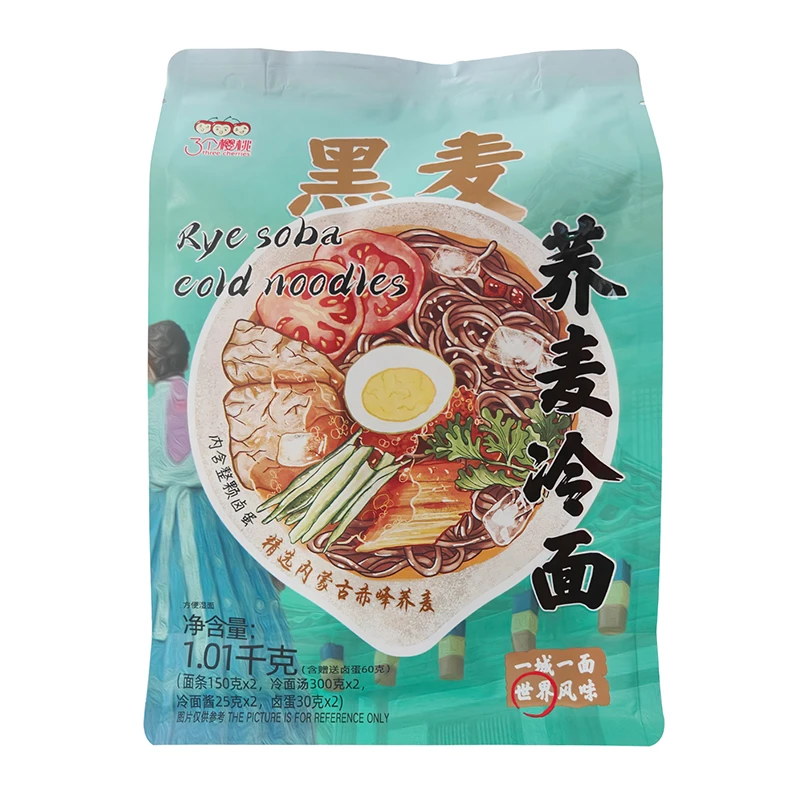

Specialized Chilled Noodle Series
Discover our range of low-calorie and high-protein noodle options tailored for the European health-food market.

70 soba noodles (Sichuan spicy)
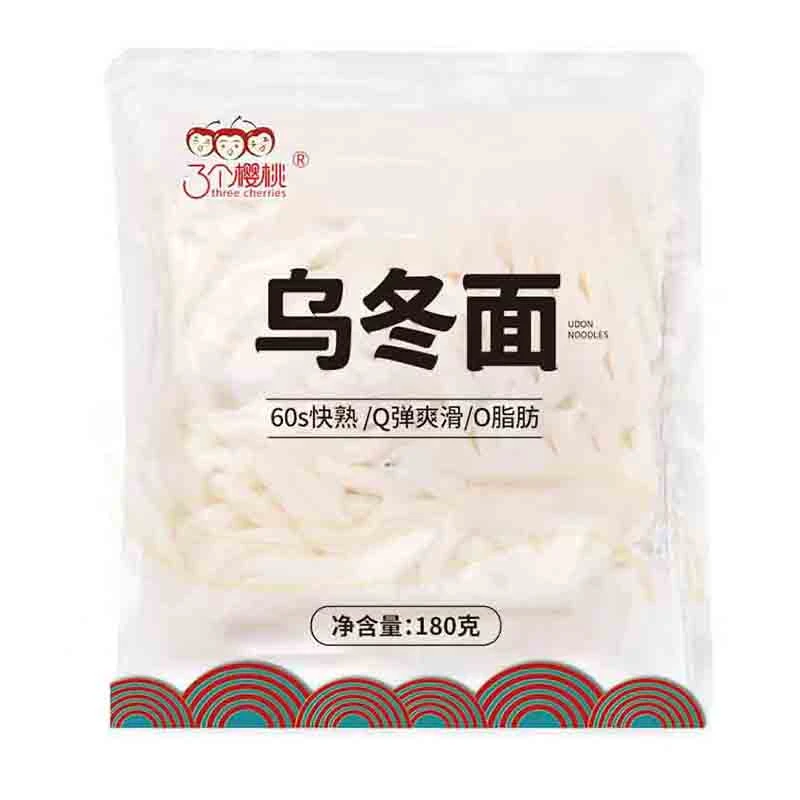
Nstant Noodles. - Catering Noodles
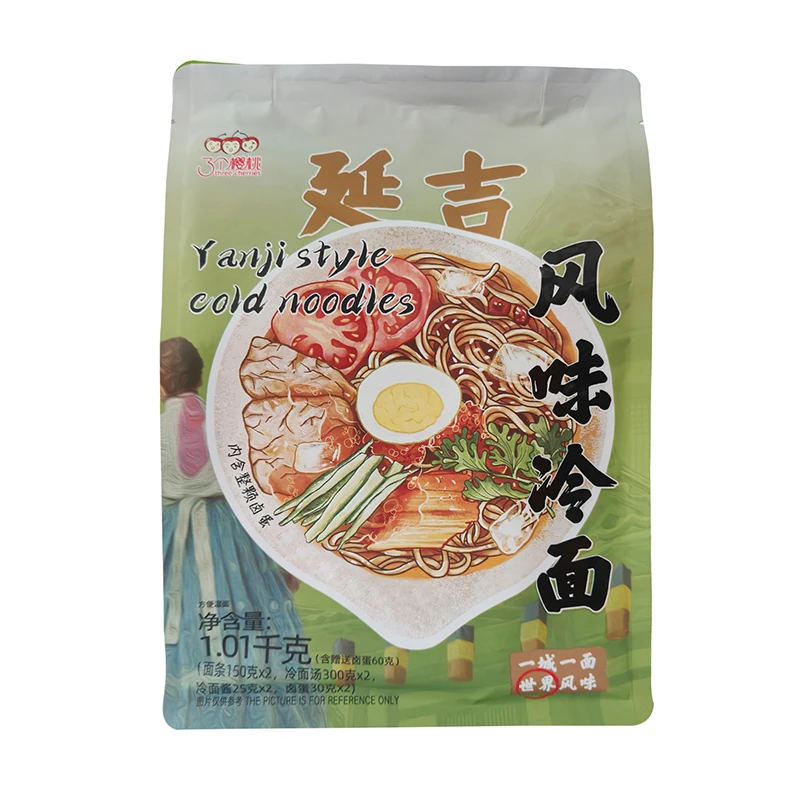
Yanji Flavor Cold Noodles
Swiss Market Analysis
Demand for Functional Cold Soba in Europe
The Swiss culinary landscape is increasingly shifting toward "Clean Label" and Low-GI foods to combat lifestyle diseases.
42.7
Low GI Value Index
90k Tons
Annual Output Capacity
40,000㎡
Production Facility Area
600+
Skilled Employees
In Switzerland, the convergence of high purchasing power and a strong focus on preventive health has created a surge in demand for low calorie soba noodles. Consumers are moving away from refined flours toward whole-grain and buckwheat alternatives that offer a slower release of glucose into the bloodstream.
This trend is particularly evident in urban centers like Zurich and Geneva, where the "healthy convenience" segment requires noodles that are quick to prepare but maintain the nutritional profile of homemade pasta.
The challenge for Swiss importers is finding a supplier that can scale production without sacrificing the "artisan" texture of traditional chilled noodles. The requirement for strict food safety and standardized GI certifications is paramount for entry into Swiss retail chains.
By integrating advanced semi-dry technology, manufacturers can now provide products that bridge the gap between fresh-made quality and industrial shelf-life stability.
Evolution of Noodle Technology
From Traditional Craft to Industrial Precision
Tracing the development of semi-dry noodle production and its adoption in the global health sector.
Early Stage
Artisan Dominance
Fresh noodles were produced locally with very short shelf lives and limited distribution.
Growth Phase
Semi-Dry Innovation
Development of moisture-controlled drying to extend shelf life while maintaining texture.
Standardization
Industry Benchmarking
Establishment of group standards for raw wet noodle products to ensure quality consistency.
Functional Era
Low GI Integration
Introduction of patent-protected formulations for diabetic-friendly and weight-loss noodles.
Current
Globalized Health
Exporting certified low-GI and whole-grain noodles to health-conscious European markets.
Future Outlook for Global Pasta Consumption
01
Personalized Nutrition
Shift toward noodles tailored for specific dietary needs, such as glycemic control for diabetic populations.
02
Eco-Friendly Sourcing
Increased preference for Australian whole wheat and sustainable buckwheat sources to reduce carbon footprints.
03
Cold-Chain Optimization
Advanced chilled noodle logistics to ensure "fresh-like" quality upon arrival in Switzerland.
Competitive Advantages
Why Semi-Dry Technology Wins
Analyzing the balance between nutritional integrity and commercial viability.
Glycemic Control
Utilizing patent-protected Low GI technology to stabilize blood sugar levels for health-conscious diners.
Weight Management
High-fiber, low-calorie buckwheat formulations specifically designed for fitness and fat loss goals.
Supply Stability
Large-scale workshops ensuring a consistent flow of 90,000 tons annually for international B2B contracts.
Texture Integrity
Semi-dry processes that mimic homemade pasta noodles, providing the ideal "bite" (al dente).
For the Swiss hospitality sector, the ability to serve a "premium healthy" noodle without the labor cost of on-site pasta making is a significant operational advantage. Semi-dry products reduce waste and prep time while meeting stringent nutritional labels.
Furthermore, the certification of Low GI foods allows retailers to target specific demographics, including diabetic patients and fitness enthusiasts, expanding the market reach of the "Three Cherries" brand portfolio.
Application Fields
Swiss Market Application Scenarios
How functional noodles integrate into various professional and consumer environments in Switzerland.
01
High-End Wellness Spas
Providing low-calorie soba for detox and wellness retreats in the Alps, focusing on light, nutrient-dense meal plans.
02
Urban Corporate Catering
Supplying chilled noodle bowls to Zurich business districts for fast, healthy lunches that avoid the "afternoon slump" due to low GI levels.
03
Specialized Diabetic Clinics
Integrating certified Low GI noodles into patient dietary guidelines to help manage blood glucose levels through nutrition.
04
Gourmet Asian Fusion Restaurants
Utilizing premium buckwheat cold noodles as a base for high-margin, authentic chilled dishes for the Swiss epicurean market.
05
Retail Health-Food Chains
Distribution of "Three Cherries" brand home-cooked noodles in Swiss organic supermarkets, targeting families seeking clean-label pasta alternatives.
Corporate Excellence
The Legacy of Hebei Jinxu Noodle Industry
A commitment to standardization and nutritional science in noodle manufacturing.
2013
Foundation & Expansion
Established headquarters in Xingtai, Hebei, developing a 40,000 sqm facility with 5 specialized production workshops.
Industry Leadership
Became the group standard setter for China's "raw wet noodle products," defining the quality benchmarks for the entire sector.
Standardization Era
Recent Milestones
Low GI Innovation
Launched the "Three Cherries" brand, achieving "National Low GI Food Certification" with a GI value of 42.7 for diabetic-friendly noodles.
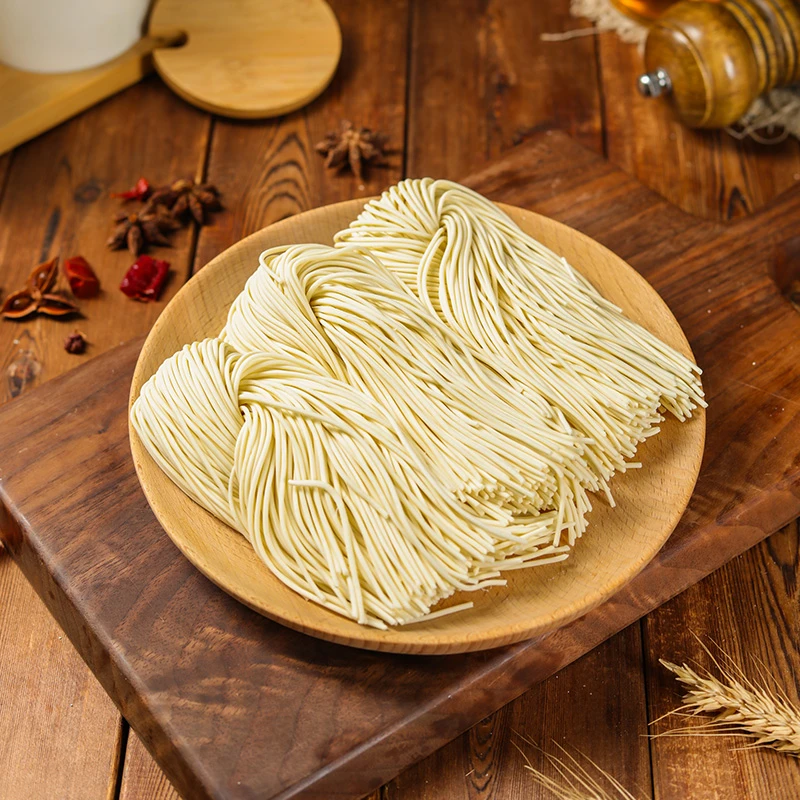
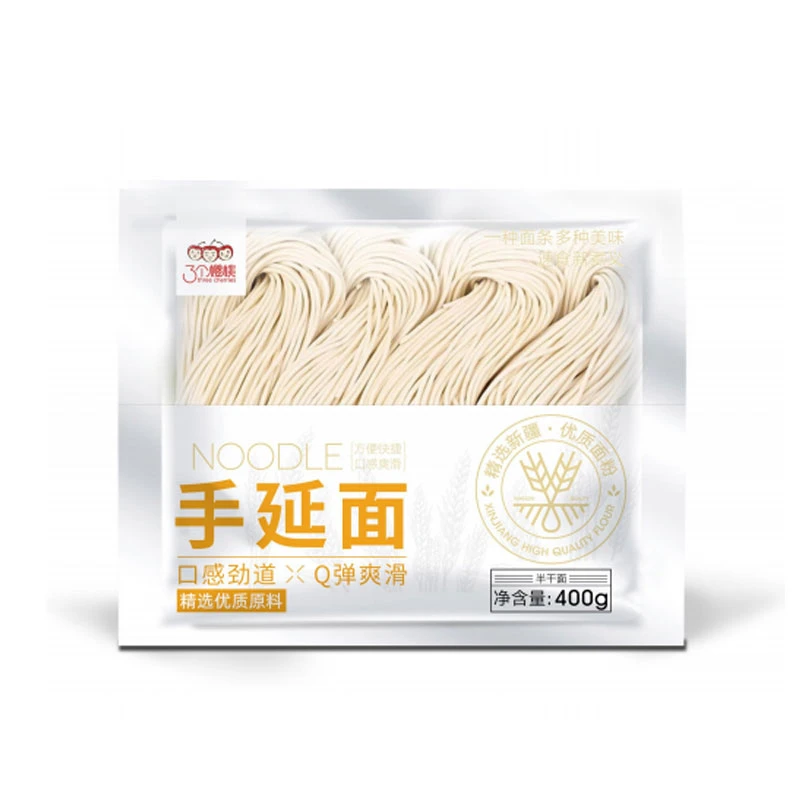
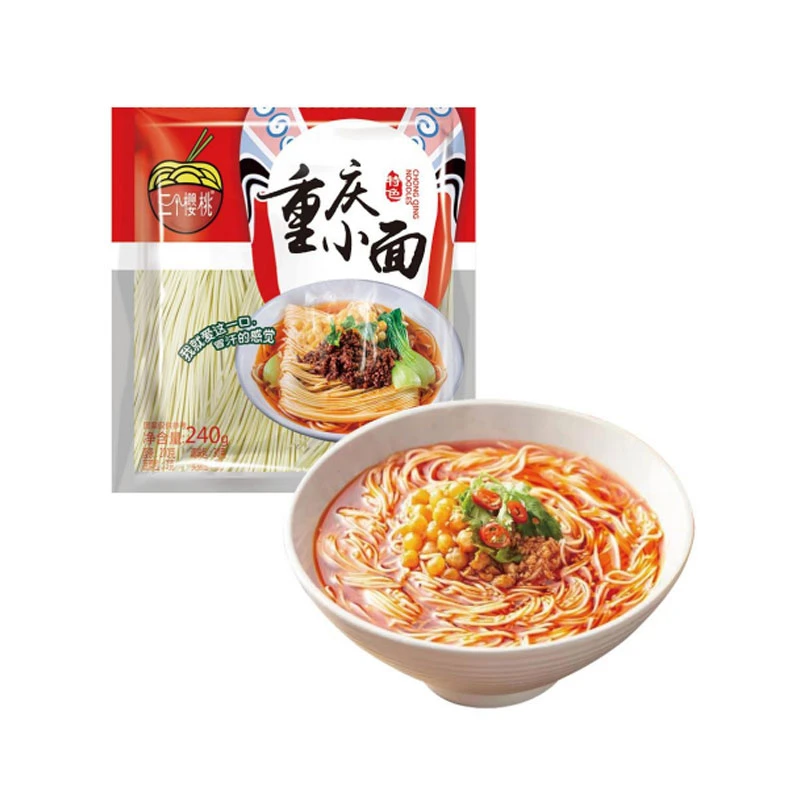
Comprehensive Noodle Portfolio
From Australian whole grain to Hong Kong-style specialties, explore our diverse range of high-standard pasta products.
Knowledge Base
Frequently Asked Questions
Expert insights on sourcing semi-dry noodles for the Swiss market.
Semi-dry noodles are produced using a controlled dehydration process that removes excess moisture while retaining the cellular structure of the grain. This allows them to have a longer shelf life than fresh noodles but a much closer texture and cooking time than fully dried pasta, making them ideal for chilled noodle applications.
Switzerland has a high awareness of metabolic health. Low GI (Glycemic Index) foods prevent sharp spikes in blood glucose, which is critical for diabetic consumers and those pursuing weight loss. Products with a certified GI value (like our 42.7 index) provide a verifiable health claim that appeals to the Swiss medical and wellness community.
Selection depends on the end-use: for cold salads or traditional soba, choose buckwheat cold noodle for its firm texture. For health-focused diets or medical nutrition, prioritize Low GI certified options. For premium dining, Australian whole grain wheat noodles offer a superior nutty flavor and nutritional profile.
Look for manufacturers who set industry standards rather than just following them. A supplier that defines "group standards" for raw wet noodles ensures a higher level of consistency in elasticity, color, and moisture content. Additionally, check for certifications regarding Low GI and raw material sourcing (e.g., Australian wheat).
Yes. With an annual output of 90,000 tons and multiple production workshops across Hebei and Jiangsu, the company is equipped to handle high-volume shipments. The infrastructure is designed for stability and scalability, meeting the demands of international distributors and large retail chains.
We recommend initiating consultations during the menu planning phase or when expanding your "Healthy/Organic" product line. Discussing specific GI requirements and volume needs early allows for optimized logistics and ensures that the chosen product perfectly aligns with Swiss regulatory and consumer expectations.
Elevate Your Swiss Noodle Offering
Partner with a global leader in semi-dry noodle technology to bring certified Low GI and premium buckwheat solutions to Europe - Switzerland.
Get a Professional Quote