Premium low calorie soba noodles Solutions for Russia

Integrating traditional buckwheat heritage with advanced semi-dry processing technology to meet the evolving dietary demands of the Russian Federation.

Premium low calorie soba noodles Solutions for Russia

Providing high-performance, nutrient-dense noodle production solutions specifically engineered for the Russian health-food sector, focusing on stability, taste, and nutritional retention.

The Landscape of Noodle Consumption in Russia

Analyzing the intersection of buckwheat tradition and modern dietary shifts in Eastern Europe.

In Russia, buckwheat is not merely a crop but a cultural staple. However, the traditional porridge form is being challenged by a growing demand for convenience. The rise of buckwheat cold noodle variants reflects a shift toward Asian-inspired healthy eating and the "fast-casual" dining trend in urban centers like Moscow and Saint Petersburg.

The Russian climate demands products with high stability and long shelf lives. Traditionally, the market relied on dried pasta, but there is a surging interest in chilled noodle technology, which preserves the "fresh" texture and nutritional profile better than fully dehydrated options, catering to the premium retail segment.

Economic shifts have led Russian consumers to seek "affordable luxury" in food. This manifests as a demand for homemade pasta noodles quality but with industrial efficiency, pushing manufacturers to adopt semi-dry processes that mimic artisanal production while ensuring food safety and scalability.

Evolution of Grain Processing and Noodle Technology

From rustic buckwheat grains to precision-engineered chilled noodles.

Market Development History

Until the late 1990s, the Russian noodle market was dominated by wheat-based pasta and traditional kasha. Buckwheat was rarely processed into noodles, remaining primarily a whole-grain product due to the lack of specialized extrusion technology capable of handling high-rutin buckwheat flour.

Between 2010 and 2020, the "Health Wave" hit Eastern Europe. This period saw the introduction of cold soba as a specialty item in urban gourmet shops. Manufacturers began transitioning from simple drying to controlled humidity semi-drying to maintain the elasticity of the noodle.

From 2021 to the present, the integration of AI-driven temperature control and vacuum mixing has allowed for the mass production of low-glycemic index noodles. This technical iteration has successfully bridged the gap between traditional Russian buckwheat tastes and modern global health standards.

Future Development Trends

Clean Label Integration

Future trends indicate a total removal of synthetic preservatives, utilizing natural antioxidants found in buckwheat to extend the life of chilled products.

Low-Glycemic Optimization

Increased demand for diabetes-friendly options will drive the evolution of cold soba with optimized resistant starch levels.

Automation in Semi-Dry Lines

Transitioning from manual batching to fully automated, sensor-based drying lines to ensure consistency across different batches of raw buckwheat flour.

Future Trends and Strategic Outlook

Predicting the trajectory of the Russian grain-based noodle industry for 2025-2030.

Nutritional Fortification
Integration of Omega-3 and vitamins into the buckwheat matrix to create functional foods.
Cold Chain Expansion
Growth of refrigerated logistics allowing chilled noodles to reach remote Siberian regions.
Gluten-Free Soba
Development of 100% buckwheat formulas to target the allergen-free market.
Eco-Friendly Packaging
Transitioning to biodegradable films for chilled noodle trays to meet EU/Russian eco-norms.

Industry Outlook

Based on Google search trends in the region, queries for "healthy alternatives to pasta" and "low carb noodles" have increased by 25% annually. This suggests a long-term structural shift toward nutrient-dense grains like buckwheat.

The industry will likely move toward "Hyper-Localization," where noodle textures are adjusted to match regional Russian preferences—ranging from the softer noodles preferred in the South to the firmer, heartier textures favored in the North.

Localized Application Scenarios in Russia

Practical implementations of our noodle technology in the Russian food ecosystem.

1. Urban Gourmet "Quick-Lunch" Hubs

Implementing chilled noodle stations in business districts of Moscow, providing 3-minute preparation times for health-conscious professionals.

2. Premium Supermarket "Fresh-Cut" Aisles

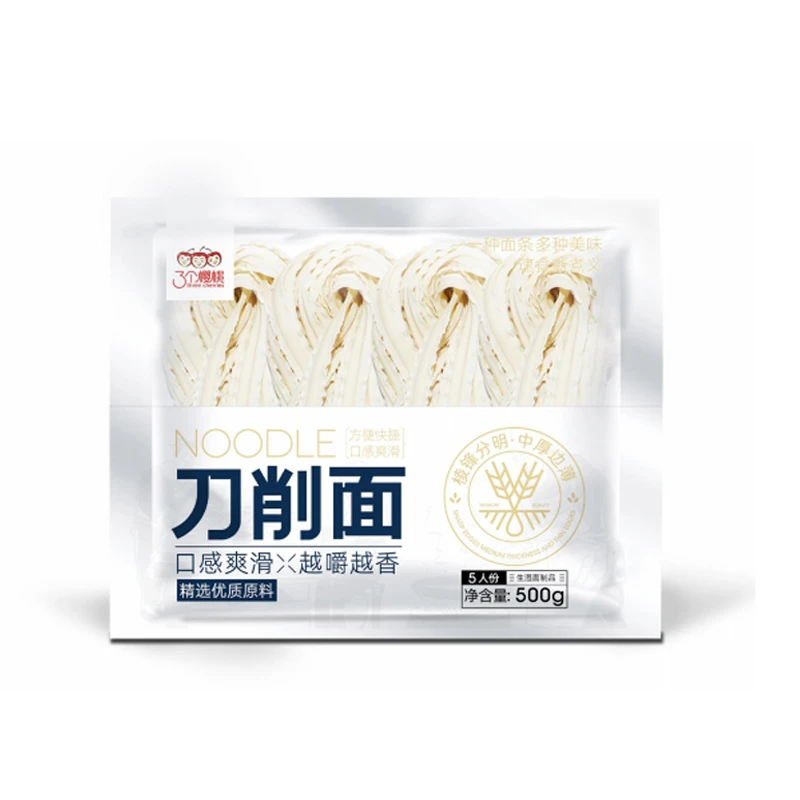
Supplying vacuum-sealed homemade pasta noodles that offer the taste of an Italian trattoria with the nutritional profile of Russian buckwheat.

3. Fitness and Wellness Cafe Chains

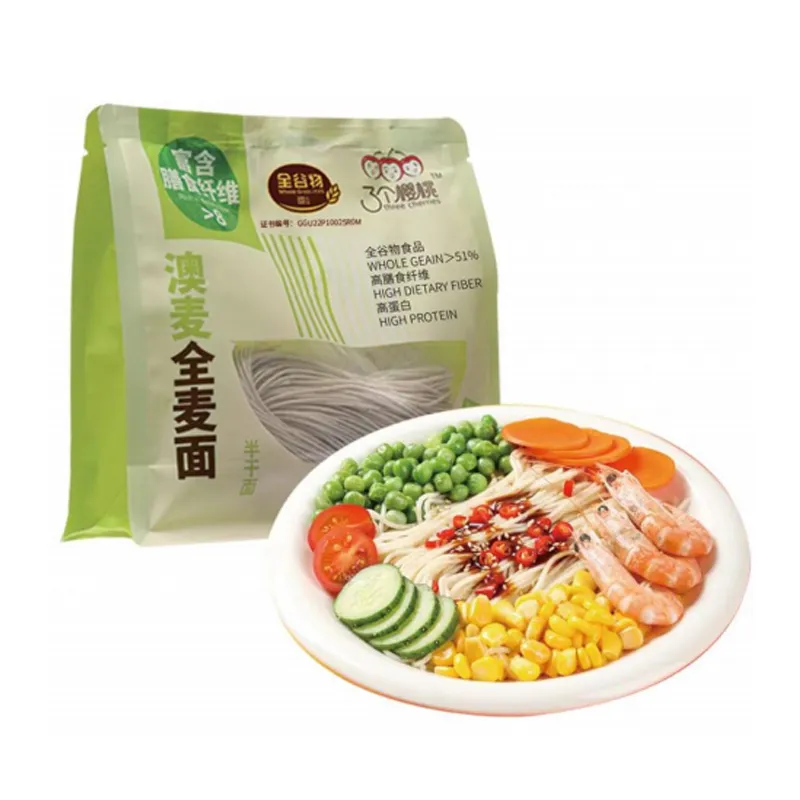
Deploying low calorie soba noodles as the primary base for detox bowls and high-protein salads in wellness centers.

4. Traditional Russian Restaurant Modernization

Reimagining traditional buckwheat dishes by introducing buckwheat cold noodle bowls with sour cream and dill dressings.

5. Export-Ready Frozen Food Portfolios

Utilizing advanced semi-dry technology to create pre-cooked cold soba that maintains structural integrity after flash-freezing for export.

Brand Story

Global Development Journey of Hebei Jinxu Noodle Industry Co., Ltd.

Foundation of Excellence

Started with a commitment to mastering the delicate balance of grain hydration and extrusion, focusing on the purity of raw materials.

Technological Breakthrough

Developed the proprietary semi-dry process that solved the common issue of buckwheat noodle brittleness, ensuring a smooth, elastic texture.

Global Market Entry

Expanded into the European and Russian markets, adapting our machinery to handle local grain varieties and climate-specific storage needs.

Innovation in Health

Launched the low-calorie and gluten-free series, directly addressing the global rise in metabolic health awareness.

Future Vision

Aiming to become the world leader in sustainable grain processing, reducing water waste by 30% through closed-loop extrusion systems.

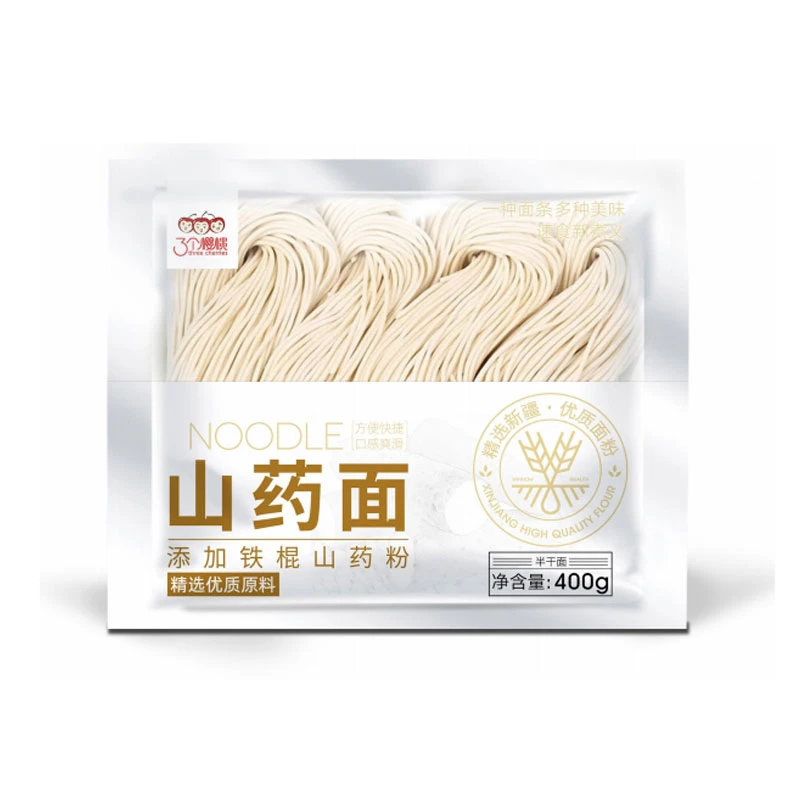
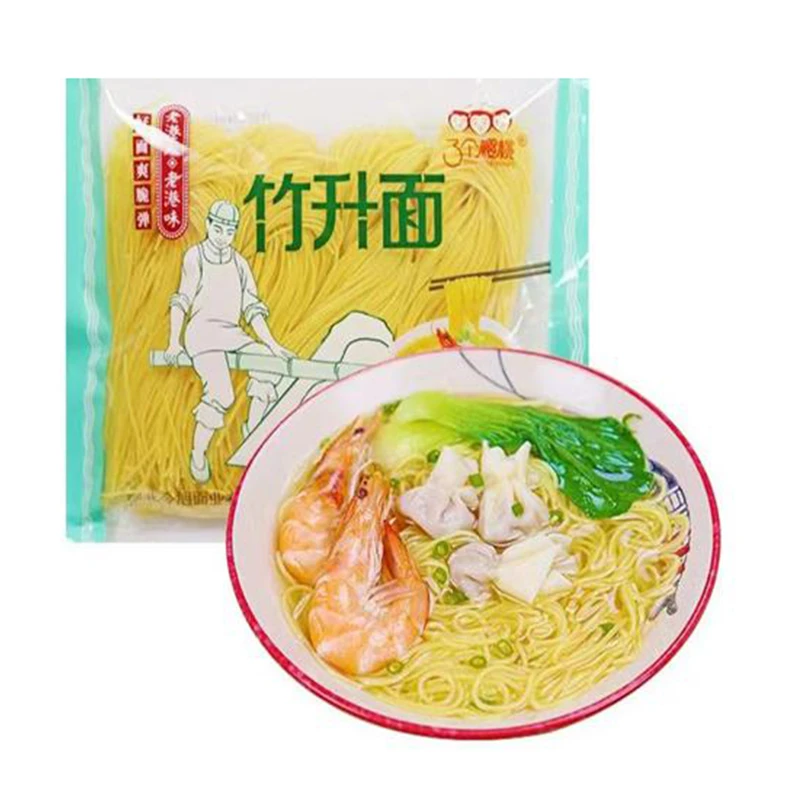
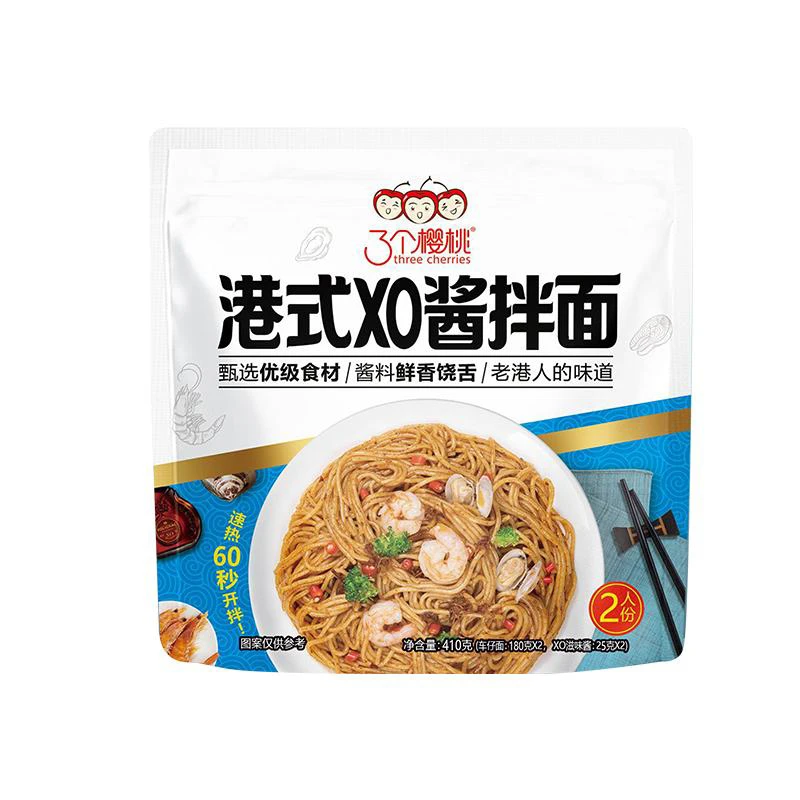
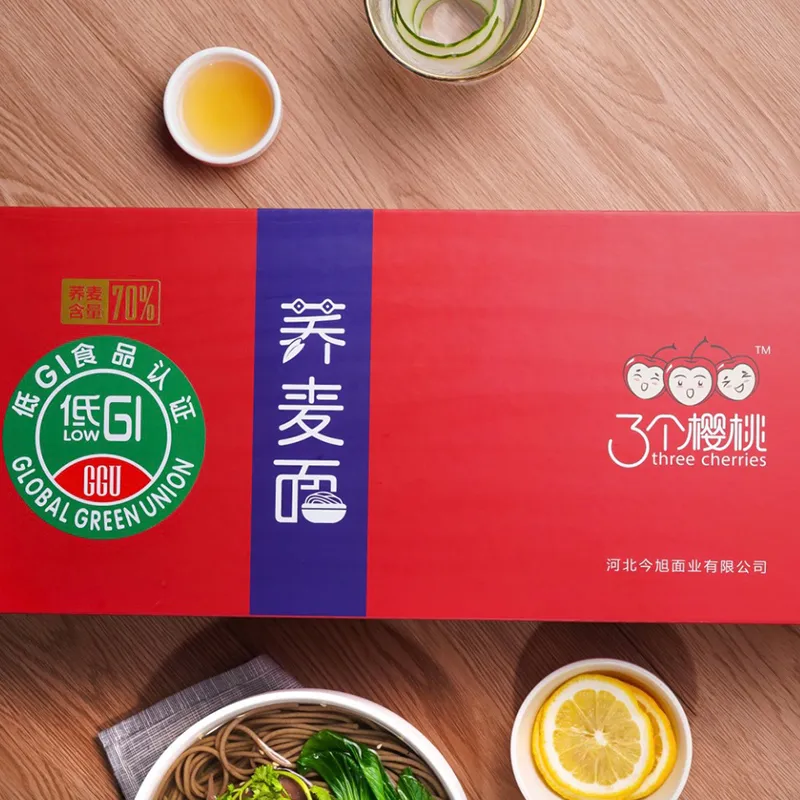
Complete Noodle Portfolio for the Russian Market

From artisanal homemade styles to high-efficiency industrial chilled solutions.

Common Questions for Russian Noodle Producers

Expert answers to the most frequent technical and market queries.

How to maintain texture in buckwheat cold noodle during winter transport?

We utilize a specific semi-dry hydration ratio and specialized vacuum packaging that prevents starch retrogradation during low-temperature transit across Russia.

What is the shelf life of chilled noodle products without synthetic additives?

By optimizing the pH level and using Modified Atmosphere Packaging (MAP), our solutions can extend the fresh shelf life to 21-30 days under refrigeration.

Can your equipment produce authentic homemade pasta noodles at scale?

Yes, our low-pressure extrusion technology mimics the hand-kneading process, preserving the irregular protein structure that defines artisanal pasta.

How do low calorie soba noodles differ from standard buckwheat noodles?

They utilize a precise blend of high-fiber buckwheat and specific binding agents that reduce net carbs while maintaining the traditional "nutty" flavor profile.

Is the production of cold soba suitable for small-to-medium enterprises?

Our modular production lines are designed for scalability, allowing SMEs to start with a basic mixing/cutting setup and add drying/packaging modules later.

What raw material specifications are needed for high-quality cold noodles?

We recommend buckwheat flour with a protein content of 12-14% and a fine mesh size to ensure a smooth surface and optimal elasticity.

Ready to Transform Your Production?

Our engineers are ready to help you deploy the most advanced noodle technology in Russia. Let's build the future of healthy grain products together.

Contact Us Now

If you are interested in our products, you can choose to leave your information here, and we will be in touch with you shortly.