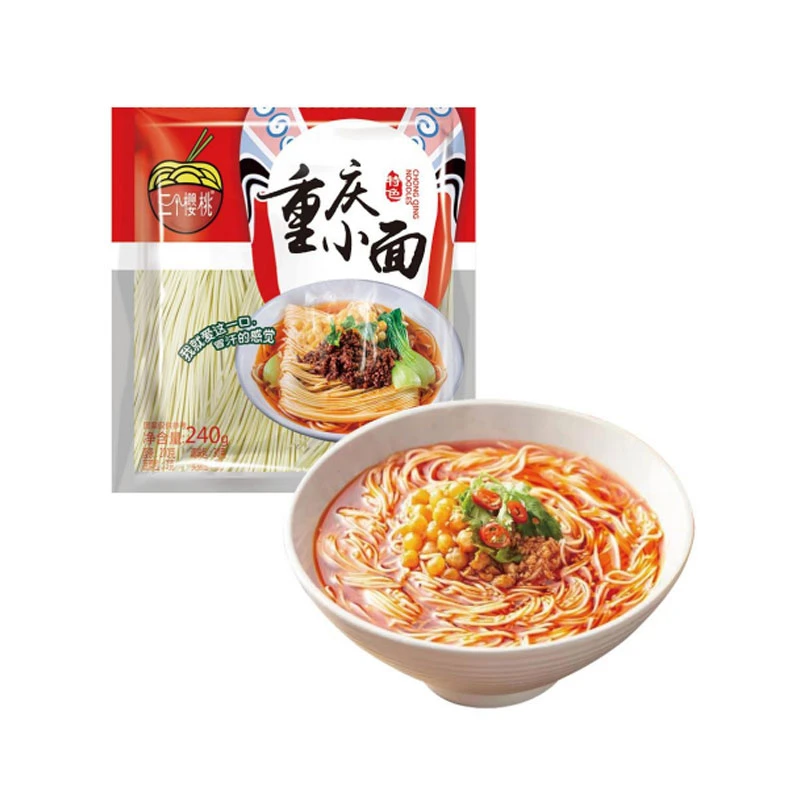

Specialized Chilled Noodle Series
Explore our professional range of low-calorie and nutrient-rich noodle products designed for modern dietary needs.
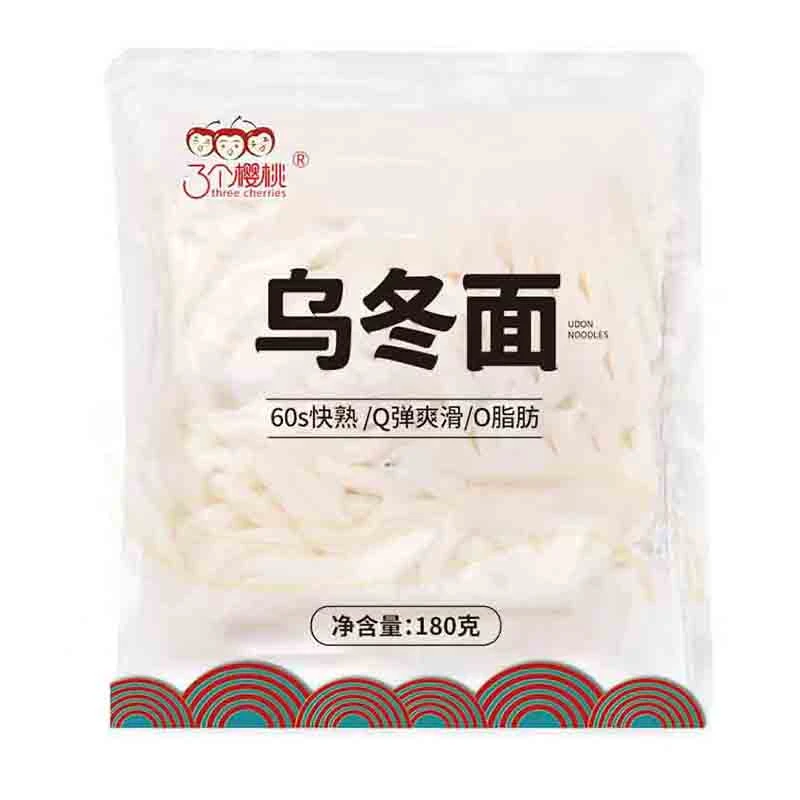
Nstant Noodles. - Catering Noodles

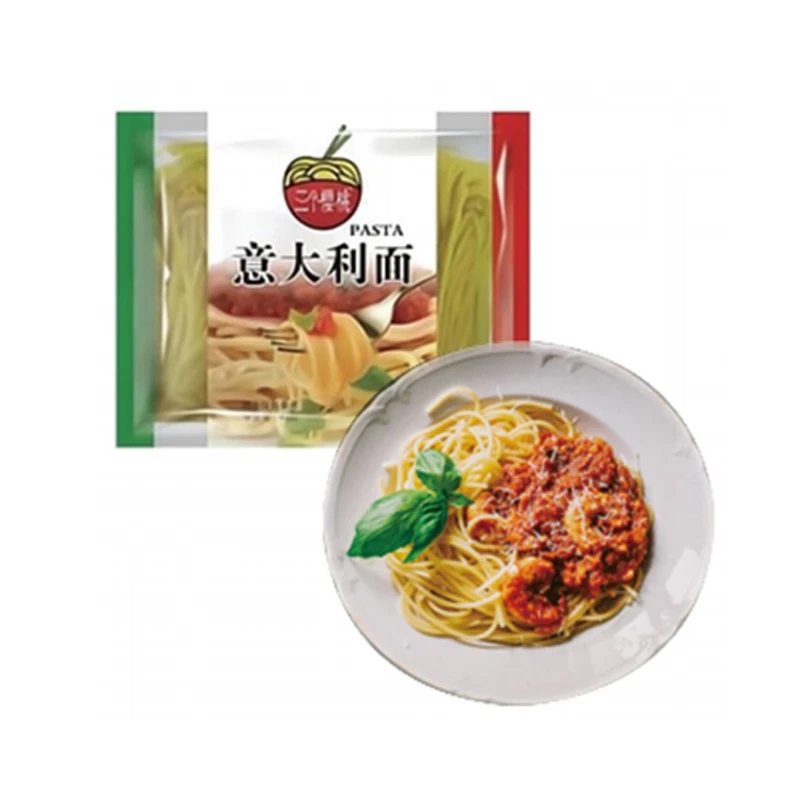
Spaghetti Bolognese
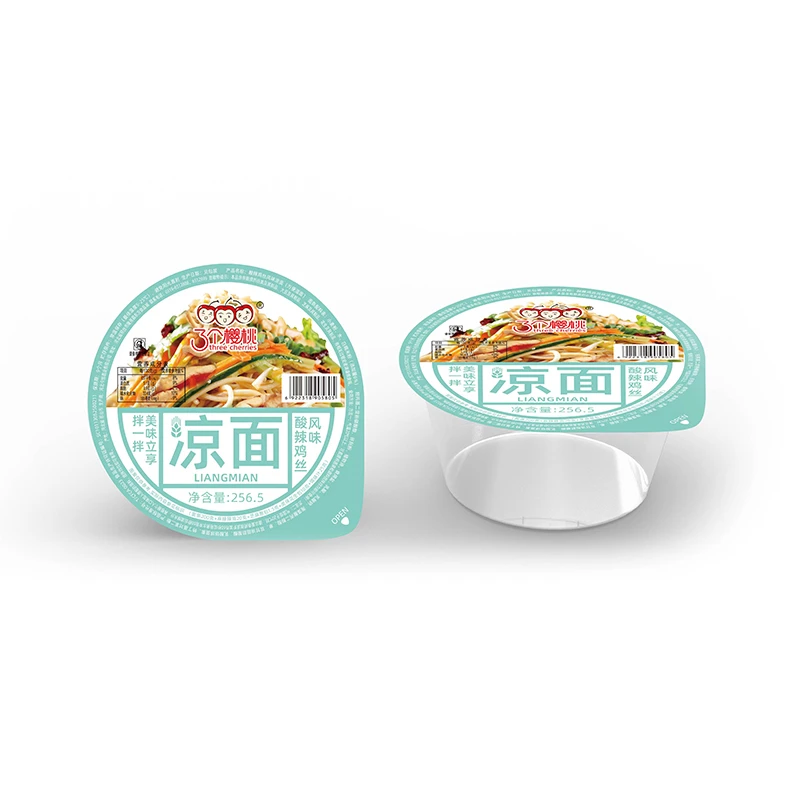
Cold Noodles
Market Analysis
Cold Noodle Consumption Trends in Asia - Philippines
Analyzing the shift toward health-conscious dining and the demand for chilled noodle alternatives.
42.7
Low GI Value Index
90,000t
Annual Production Cap
40,000㎡
Production Facility Area
600+
Expert Staff Count
In the tropical climate of the Philippines, there is a growing demand for refreshing, chilled noodle options. Local consumers are increasingly pivoting toward functional foods that offer satiety without excessive caloric intake, making low-calorie soba noodles a strategic addition to urban menus in Metro Manila and Cebu.
The procurement focus in the Philippines has shifted from basic carbohydrates to "intelligent" carbs. This includes a preference for low-GI (Glycemic Index) options that support blood sugar stability, particularly for the growing health-conscious middle class and those managing chronic dietary restrictions.
Supply chain efficiency is critical for Filipino importers. The transition from traditional wet noodles to high-quality semi-dry formats allows for longer shelf life and reduced wastage in the humid Southeast Asian environment without compromising the texture and nutritional profile.
Moreover, the rise of "home-chef" culture has spiked the demand for homemade pasta noodles that offer restaurant-grade quality with the convenience of quick preparation, driving B2B growth in the retail sector.
Evolution & Vision
The Progression of the Semi-Dry Noodle Industry
Tracing the technical shift from traditional manufacturing to functional, health-driven food science.
Early Stage
Traditional Milling
Focus on basic wheat flour processing and standard wet noodle production for local markets.
Growth Stage
Semi-Dry Innovation
Development of semi-dry technologies to extend shelf life and facilitate international logistics.
Standardization
Industry Benchmarking
Establishment of group standards for raw wet noodle products to ensure global quality consistency.
Functional Era
Low-GI Integration
Introduction of patent-protected low-GI noodles targeting diabetic and fitness-oriented consumers.
Current Phase
Global Specialization
Expansion into specialized segments like cold soba and whole grain Australian wheat blends.
Future Strategic Outlook
01
Nutritional Precision
Shift toward "Medical Grade" foods where GI values are precisely controlled for chronic disease management.
02
Sustainable Sourcing
Increased adoption of non-GMO and whole grain Australian wheat to meet ESG requirements in Asia.
03
Ready-to-Eat Tech
Innovation in chilled chain logistics to provide "fresh-taste" semi-dry noodles in remote regional areas.
Strategic Drivers
Key Factors Shaping the Noodle Industry in Philippines
Understanding the technical and commercial requirements for modern food distribution.
Glycemic Control
Demand for low calorie soba noodles is driven by the rise in metabolic health awareness.
Urban Convenience
Fast-paced city life in Metro Manila requires semi-dry products that maintain "fresh" texture with minimal boil time.
B2B Customization
Catering businesses seek standardized noodle shapes and textures to ensure consistent dish presentation across branches.
Export Stability
Focus on moisture-controlled semi-dry technology to prevent spoilage during sea freight to Southeast Asia.
From a commercial perspective, the Filipino market is transitioning away from generic imports toward branded, certified functional foods. The "Three Cherries" brand aligns with this by offering a documented GI value of 42.7, providing a tangible health claim that distributors can use for market penetration.
The operational challenge in the region is balancing the "freshness" expectation of consumers with the logistical reality of imports. Semi-dry noodles solve this paradox, acting as a bridge between frozen products (high energy cost) and dried products (lower texture quality).
Application Scenarios
Optimizing Noodle Integration Across Philippines Sectors
Tailored solutions for diverse commercial and residential applications.
01
High-End Japanese Fusion Restaurants
Using premium cold soba to create authentic chilled dishes that satisfy the appetite for Japanese cuisine in urban business districts.
02
Wellness-Focused Cafes & Gym Bistros
Implementing low-GI and low-calorie noodles for fitness-oriented menus, targeting customers seeking protein-rich, low-sugar meal options.
03
Premium Supermarket Retail Chains
Packaging "Three Cherries" homemade pasta and fresh-style noodles for home consumers who prioritize health and gourmet quality over instant options.
04
Corporate Catering & Office Canteens
Providing quick-cook, nutritious noodles for high-volume corporate dining that requires consistent quality and rapid preparation times.
05
Specialized Dietary Care Facilities
Supplying national patent low-GI noodles to healthcare facilities for patients with diabetes or metabolic syndrome, focusing on stabilizing blood sugar.
Corporate Strength
Hebei Jinxu Noodle Industry: A Legacy of Innovation
From a regional manufacturer to China's largest semi-dry noodle authority.
2013
Establishment & Foundation
Hebei Jinxu Noodle Industry Co., Ltd. was established in Xingtai, Hebei Province, laying the groundwork for large-scale noodle production.
Scale Expansion & Leadership
Expanded to 40,000 square meters with 5 production workshops and a strategic branch in Nantong, Jiangsu, becoming China's largest semi-dry noodle manufacturer with a 90,000-ton annual output.
Capacity Milestone
Standardization
Industry Authority
Recognized as the group standard setter for China's "raw wet noodle products," hosting the official group standard formulation meetings.
Functional Innovation
Launched the "Three Cherries" brand, achieving National Low GI Food Certification with patent-protected noodles for diabetic and fitness needs.
Patented Success
Comprehensive Semi-Dry Noodle Catalog
From professional catering solutions to home-cooked health options, we provide a full spectrum of grain-based products.

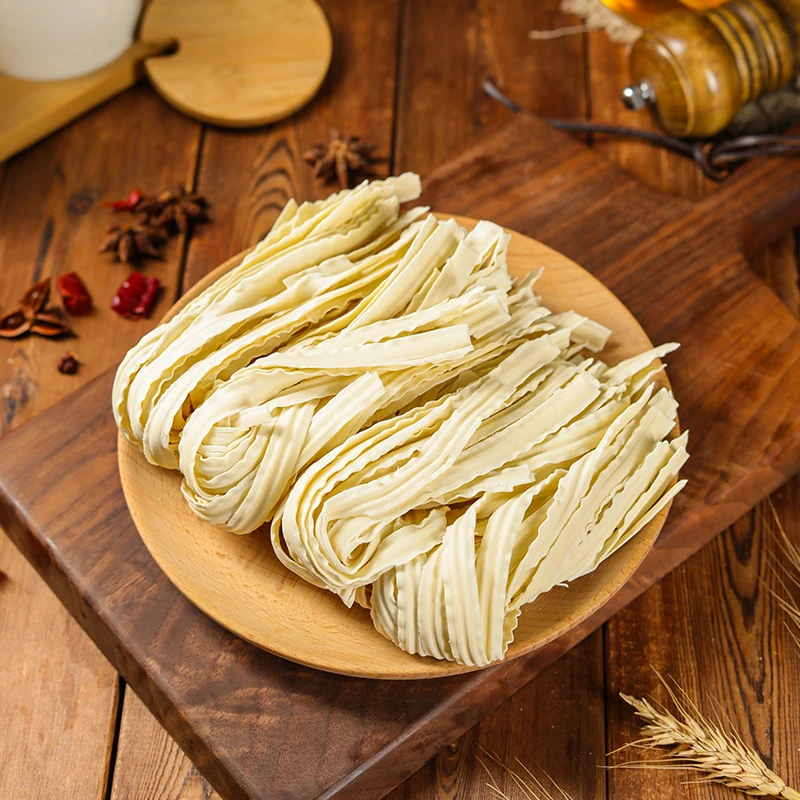
Expert Support
Frequently Asked Questions
Everything you need to know about importing and implementing our noodle solutions in Asia - Philippines.
Semi-dry noodles maintain a higher moisture content than fully dehydrated noodles, preserving a taste and texture closer to fresh noodles. They offer the convenience of a longer shelf life and easier transport, but cook much faster and retain a superior "bite" compared to traditional dried pasta.
With a rising focus on metabolic health and diabetes management in the Philippines, there is a significant gap in the market for high-quality, low-GI staples. Offering buckwheat cold noodles provides a functional health benefit (blood sugar stability) that differentiates a brand from standard carbohydrate options.
Consider the dish's temperature and the target customer. For refreshing summer menus, chilled noodle varieties are ideal. For health-centric concepts, our low-GI patent noodles are best. Always evaluate the desired cooking time and texture stability under high-volume service.
Look for manufacturers who are industry standard setters. Jinxu Noodle Industry is a group standard setter for raw wet noodle products and holds "National Low GI Food Certification," ensuring that health claims are backed by verified scientific data and regulatory standards.
Yes, we offer a diverse portfolio under the "Three Cherries" brand, ranging from Australian wheat noodles to Hong Kong-style Zhusheng noodles. We can assist distributors in selecting the product mix that best fits the local palate and dietary trends of the Philippine market.
The best time is during your menu planning phase or when expanding your health-food retail line. Contacting us early allows for sample testing to ensure the product's flavor and texture profile align with your specific culinary requirements in Asia - Philippines.
Elevate Your Noodle Offering in Asia - Philippines
Partner with China's largest semi-dry noodle manufacturer to bring patent-protected, low-GI health solutions to the Filipino market. Let's redefine the standards of nutrition and taste together.
Contact Our Export Team