

Nutritional Pasta & Noodle Portfolio
Explore our range of specialized noodles, from traditional cold soba to low-calorie functional pasta.
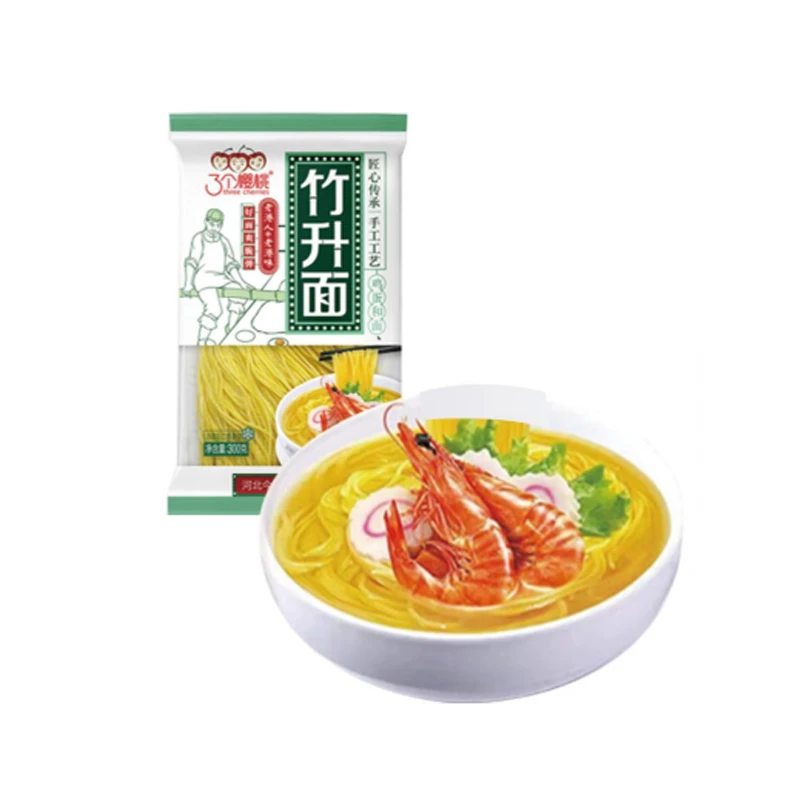
Fresh Bamboo Rising Noodles

Organic Soba Noodles
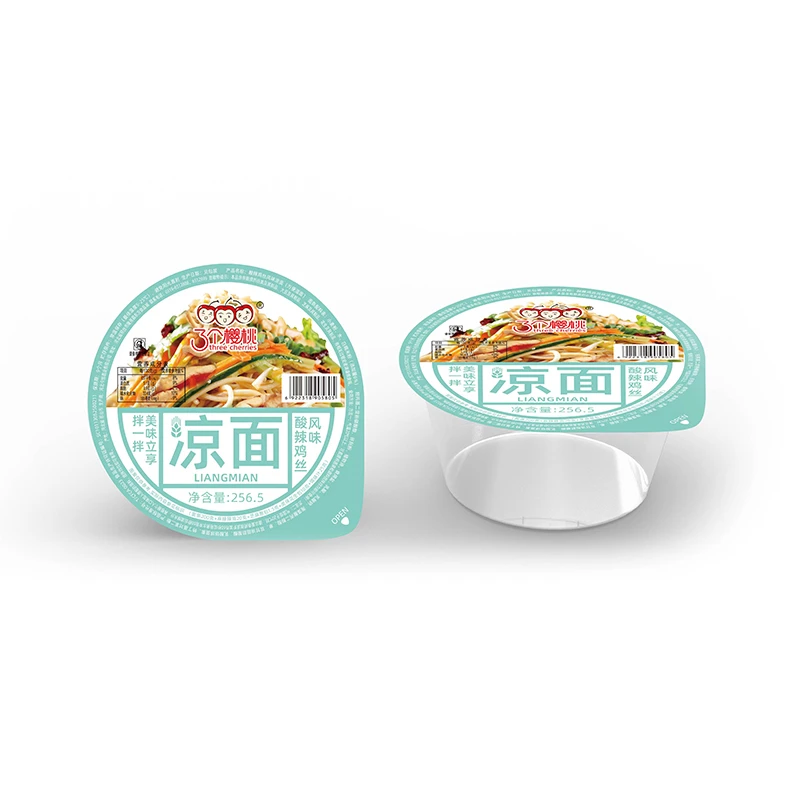
Cold Noodles
Evaluating the Noodle Market in Democratic Republic of the Congo
Analyzing regional consumption habits and the shift toward health-conscious dietary choices.
The Democratic Republic of the Congo features a diverse urban food landscape where convenient, energy-dense staples are traditional. However, in major commercial hubs, there is a noticeable transition toward diversified carbohydrates, creating an entry point for chilled noodle variants that offer both speed of preparation and nutritional value.
Local buyers are increasingly prioritizing functional foods. With a rising awareness of metabolic health, there is a specific opportunity for low calorie soba noodles and low-GI options. This demand is driven by a growing middle class in cities like Kinshasa and Lubumbashi who are seeking alternatives to traditional high-starch diets.
Procurement in the DRC often involves complex logistics and a need for products with stable shelf-lives. Semi-dry and chilled technology allows for a balance between the "fresh" taste consumers desire and the logistical durability required to navigate regional distribution networks effectively.
Evolution of Industrial Noodle Production
From artisanal preparation to standardized, high-capacity manufacturing for global export.
Market Development Stages
-
Early Adoption Stage
Initial introduction of diverse pasta types into the region, primarily through high-end imports and niche specialty stores. -
Standardization Stage
Establishment of group standards for raw wet noodle products to ensure consistent quality, safety, and texture across batches. -
Functional Integration Stage
The shift toward "smart" nutrition, integrating low-GI technology and whole grains to address chronic health needs.
Future Development Trends
- Customization — Developing flavor profiles and nutritional densities tailored to regional Congolese palate and health requirements.
- Supply Chain Optimization — Enhancing the cold-chain and semi-dry logistics to maintain product integrity from factory to table.
- Sustainability — Adopting Australian whole wheat and other eco-friendly grain sources to reduce environmental impact.
Strategic Outlook for the Pasta Industry
Key drivers shaping the next generation of wheat and buckwheat products.
Nutritional Engineering
Focusing on low-GI values (such as 42.7) to create noodles specifically for diabetic-friendly diets.
Production Scalability
Utilizing massive industrial footprints to ensure annual outputs reaching 90,000 tons for global stability.
Dietary Diversification
Expanding from wheat-based pasta to cold soba and ancient grain alternatives.
Cold-Chain Adaptation
Optimizing semi-dry moisture levels to extend freshness during long-distance transit to Africa.
Analysis of Global Flour-Based Product Trends
The industry is moving away from simple calorie provision toward "precision nutrition." This is evident in the development of patented low-GI noodles that stabilize blood sugar, catering to a global increase in chronic lifestyle diseases. For markets like the Democratic Republic of the Congo, this represents a shift where food is viewed as both sustenance and preventative healthcare.
Commercial success will depend on the ability to integrate high-volume manufacturing—such as those found in specialized noodle workshops—with the flexibility to offer various styles, including Hong Kong-style and Western pasta, to satisfy a cosmopolitan consumer base.
Practical Applications for the DRC Market
How specialized noodle products can be integrated into various commercial and residential sectors.
1
Urban Catering & Quick-Service Restaurants
Using homemade pasta noodles and quick-cook variants to reduce preparation time in busy Kinshasa eateries while maintaining a premium "homemade" texture.
2
Healthcare-Focused Dietary Plans
Implementation of low-GI certified noodles in clinics or wellness centers for patients managing diabetes or hypertension, providing a safe, low-glycemic carbohydrate source.
3
High-End Retail & Gourmet Supermarkets
Positioning cold soba and Australian whole grain noodles as premium, imported health foods for the health-conscious upper-middle class in urban centers.
4
Hospitality & Hotel Dining
Integrating Western pasta and specialized cold noodles into hotel menus to serve international travelers and expatriates residing in the DRC.
5
Corporate Canteens & Industrial Catering
Providing nutritious, low-calorie noodle options for large-scale workforce feeding programs in the mining and industrial sectors to improve worker health and energy levels.
The Legacy of Hebei Jinxu Noodle Industry Co., Ltd.
Driving innovation in semi-dry noodle manufacturing through scale and scientific research.
13
2013
Company Foundation
Hebei Jinxu Noodle Industry Co., Ltd. was established in Xingtai, Hebei Province, beginning its journey toward becoming a leader in the noodle industry.
Standard
Industry Leadership
Standard Setting Authority
Became the group standard setter for China's "raw wet noodle products," hosting the pivotal formulation meeting to define quality benchmarks for the industry.
Scale
Current Expansion
Manufacturing Powerhouse
Operating 40,000 square meters in Hebei and expanding through a Nantong branch, achieving an annual output of 90,000 tons as China's largest semi-dry noodle manufacturer.
Patent
Innovation Milestone
Low GI Certification
Developed national invention patent noodles for diabetics with a GI value of 42.7, earning the "National Low GI Food Certification" for blood sugar stabilization.
Tailored Noodle Solutions for DRC Distribution
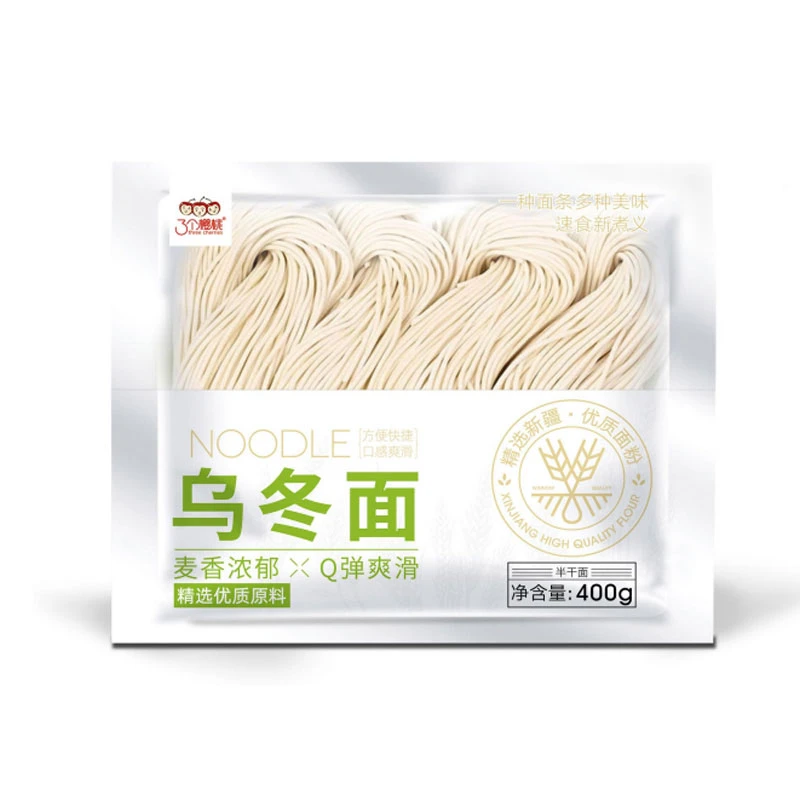
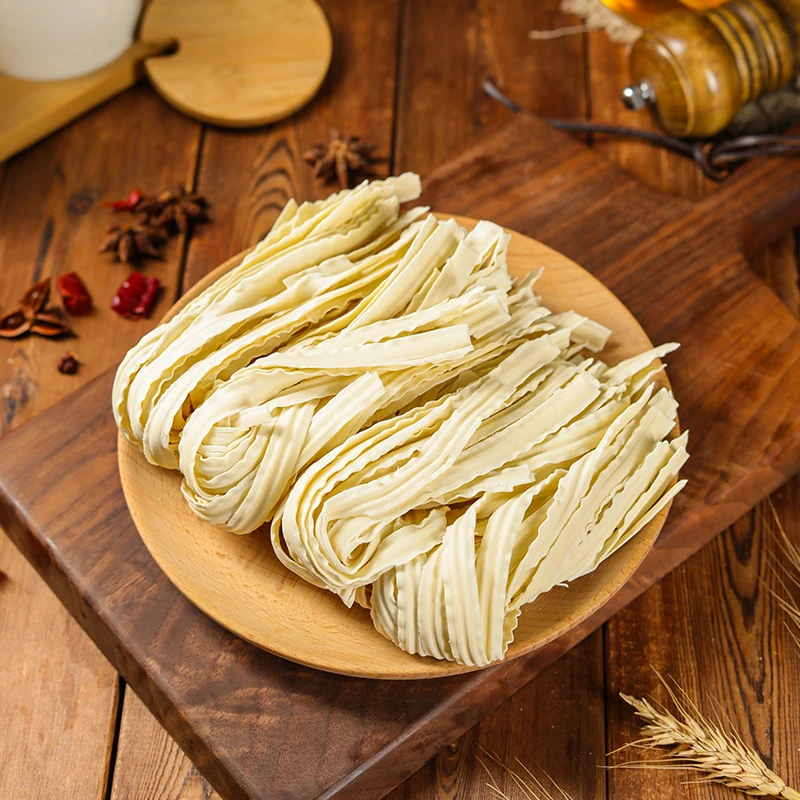
Our "Three Cherries" brand offers diverse categories to suit every market segment in the Democratic Republic of the Congo.


Noodle Procurement & Nutrition FAQ
Expert answers regarding product selection, logistics, and health benefits for the African market.
What makes low-GI noodles suitable for health-conscious consumers in the DRC?
Low-GI (Glycemic Index) noodles, such as those with a value of 42.7, are digested more slowly, preventing sharp spikes in blood glucose. This makes them an ideal carbohydrate source for people with diabetes or those focusing on weight loss and fitness.
How do semi-dry noodles differ from fresh noodles in terms of shipping to Africa?
Semi-dry noodles have a reduced moisture content compared to fresh noodles, which significantly extends their shelf life and reduces the risk of spoilage during long-distance transit without requiring extreme refrigeration, making them more viable for DRC logistics.
Can cold soba be effectively marketed in a warm climate like the DRC?
Yes, chilled noodles are highly appealing in tropical climates as refreshing meal options. By focusing on the nutritional benefits of buckwheat and the cooling nature of the dish, it can be positioned as a premium summer staple in urban centers.
What is the advantage of using Australian whole wheat in pasta production?
Australian wheat is renowned for its protein quality and consistency. Using whole grain wheat increases the fiber content of the noodles, enhancing satiety and providing a more complex nutritional profile compared to refined flour.
Are these products suitable for large-scale catering operations?
Absolutely. With an annual production capacity of 90,000 tons, Hebei Jinxu Noodle Industry can supply consistent volumes of catering-grade noodles designed for rapid cooking and high-volume service in restaurants and hotels.
How do I ensure the quality of imported noodles upon arrival in the DRC?
Quality is ensured through our adherence to group standards for raw wet noodle products. We recommend verifying the packaging seal and maintaining storage in a cool, dry environment to preserve the texture and nutritional integrity of the semi-dry noodles.
Request a Specialized Product Consultation
Discuss your bulk procurement needs or technical requirements for introducing premium low-GI and chilled noodle products to the Democratic Republic of the Congo market.
Contact Us Now